
Best Shoes for Heavy Jump Rope Training
Best Shoes for Heavy Jump Rope Training
When you transition from a standard speed rope to a heavy, weighted jump rope, the physics of your workout changes instantly. At SwingMass, we know that swinging a 1lb, 2lb, or even a 5lb rope places a unique set of demands on your lower body. It isn’t just about the cardio anymore; it’s about managing the centrifugal force and the added impact that comes with a heavier load. Your choice of jump rope shoes becomes the foundation of your performance, determining whether you’ll build explosive power or end up on the sidelines with shin splints.
The "perfect" shoe for heavy rope training needs to balance three critical factors: stability, ground feel, and protection. Unlike running, where the movement is linear and heel-to-toe, jump rope training is vertical and occurs almost exclusively on the balls of your feet. When you add the weight of a heavy rope, your stabilizer muscles in the ankles and arches work overtime. Using the wrong footwear—like overly cushioned running shoes—can actually create an unstable platform, increasing the risk of rolled ankles as the heavy rope pulls your center of gravity forward.
In this guide, we will break down the specific features you need to look for in footwear designed for heavy rope sessions. We’ll explore why "zero drop" is more than just a buzzword, how ankle support can change your endurance, and which specific models provide the best return on investment for your fitness journey. Whether you are a seasoned "heavy hitter" or just starting your weighted rope journey, the right shoes will make the weight feel lighter and the jumps feel smoother.
Table of Contents
- Why Your Current Shoes Might Be Ruining Your Heavy Rope Sessions
- Essential Features of the Perfect Jump Rope Shoe
- The Case for Minimalist and Barefoot Footwear
- Specialized Options for Youth and Fun-Based Training
- Ankle Support and High-Top Performance
- Maintenance, Longevity, and When to Replace Your Shoes
- Pro-Tips and Common Footwear Mistakes
- Frequently Asked Questions (FAQ)
Why Your Current Shoes Might Be Ruining Your Heavy Rope Sessions
Many fitness enthusiasts make the mistake of wearing their favorite running shoes for jump rope workouts. While running shoes are engineered for high-impact forward motion, they are often detrimental to the vertical, rhythmic nature of jumping rope—especially with weighted ropes. The thick, "marshmallow" foam found in modern runners is designed to absorb heel-strike impact. However, in jump rope training, you should never land on your heels. This excess cushioning creates a "disconnected" feeling from the floor, making it harder to time your jumps as the rope weight increases.
Furthermore, the high "heel-to-toe drop" found in traditional sneakers pushes your weight forward onto your toes in an unnatural way. When swinging a heavy rope, the rope itself creates a significant amount of pull. If your shoes are already tilting you forward, you lose the ability to maintain a neutral, upright spine. This often leads to "quad-dominant" jumping, which puts unnecessary stress on the patellar tendon and can lead to chronic knee pain over time.
Lastly, lateral stability is a major concern with heavy ropes. As the heavy cable rotates around your body, it creates a slight side-to-side pull. Running shoes have soft mesh uppers that allow the foot to slide over the edge of the sole. For heavy rope training, you need a shoe with a firmer "sidewall" or a wider base to ensure your foot stays locked in place. Without this stability, your ankles have to work twice as hard to keep you balanced, leading to premature fatigue and a decrease in workout duration.
Essential Features of the Perfect Jump Rope Shoe
When shopping for jump rope shoes, you should prioritize a "zero drop" or "low drop" profile. This means the heel and the forefoot are at the same height from the ground. This flat profile encourages a natural foot position and allows you to engage your calves and Achilles tendons as they were intended—like natural springs. With a heavy rope, this flat base provides a much more stable platform for the increased force you generate during takeoff and landing.
The second feature to look for is a wide toe box. Most traditional shoes taper at the toes, which bunches your digits together. When you jump with weight, your toes naturally want to "splay" or spread out to provide balance and distribute the load. A wide toe box allows for this natural movement, which significantly improves your balance and reduces the risk of developing bunions or neuromas from repetitive impact. If your toes are cramped, your balance will suffer, and you'll find it much harder to maintain a consistent rhythm with a 2lb rope.
| Feature | Importance for Heavy Ropes | Recommended Specification |
|---|---|---|
| Heel-to-Toe Drop | High | 0mm to 4mm (Zero Drop) |
| Outsole Grip | Critical | Rugged Rubber / Non-slip |
| Toe Box Width | High | Wide / Anatomical Shape |
| Cushioning | Moderate | Firm and Responsive (not plush) |
| Top Pick | Barefoot Shoes Men Wide Toe Box | Best for Ground Feel |
The Case for Minimalist and Barefoot Footwear
Minimalist footwear has gained massive popularity in the jump rope community, and for good reason. These shoes are designed to get out of the way and let your feet function like feet. When training with SwingMass heavy ropes, the feedback you get from the ground is vital. Minimalist shoes have thin soles that allow you to feel exactly where you are landing. This sensory feedback (proprioception) helps you adjust your timing mid-workout, which is essential when the heavy rope begins to slow down due to fatigue.
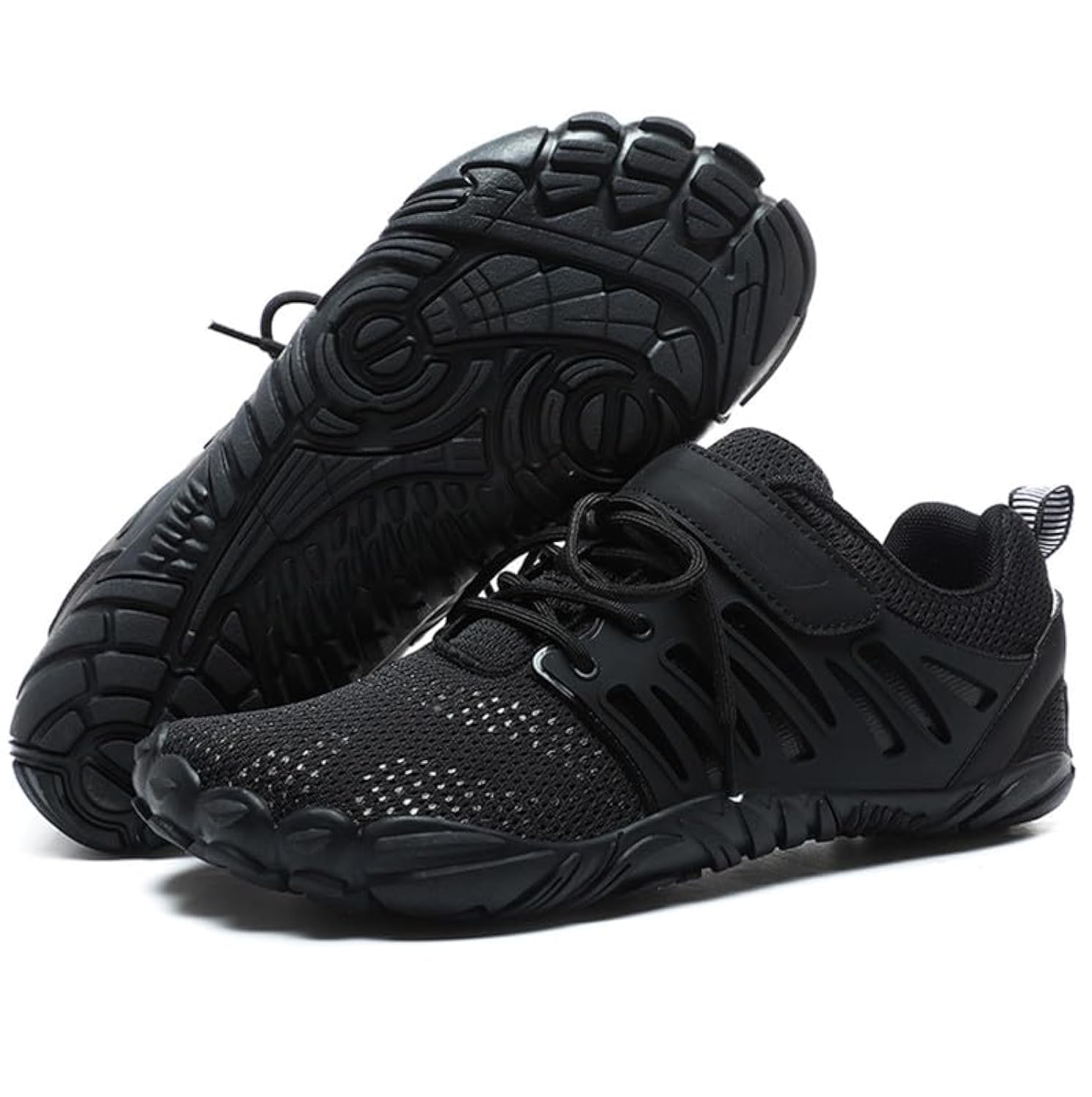
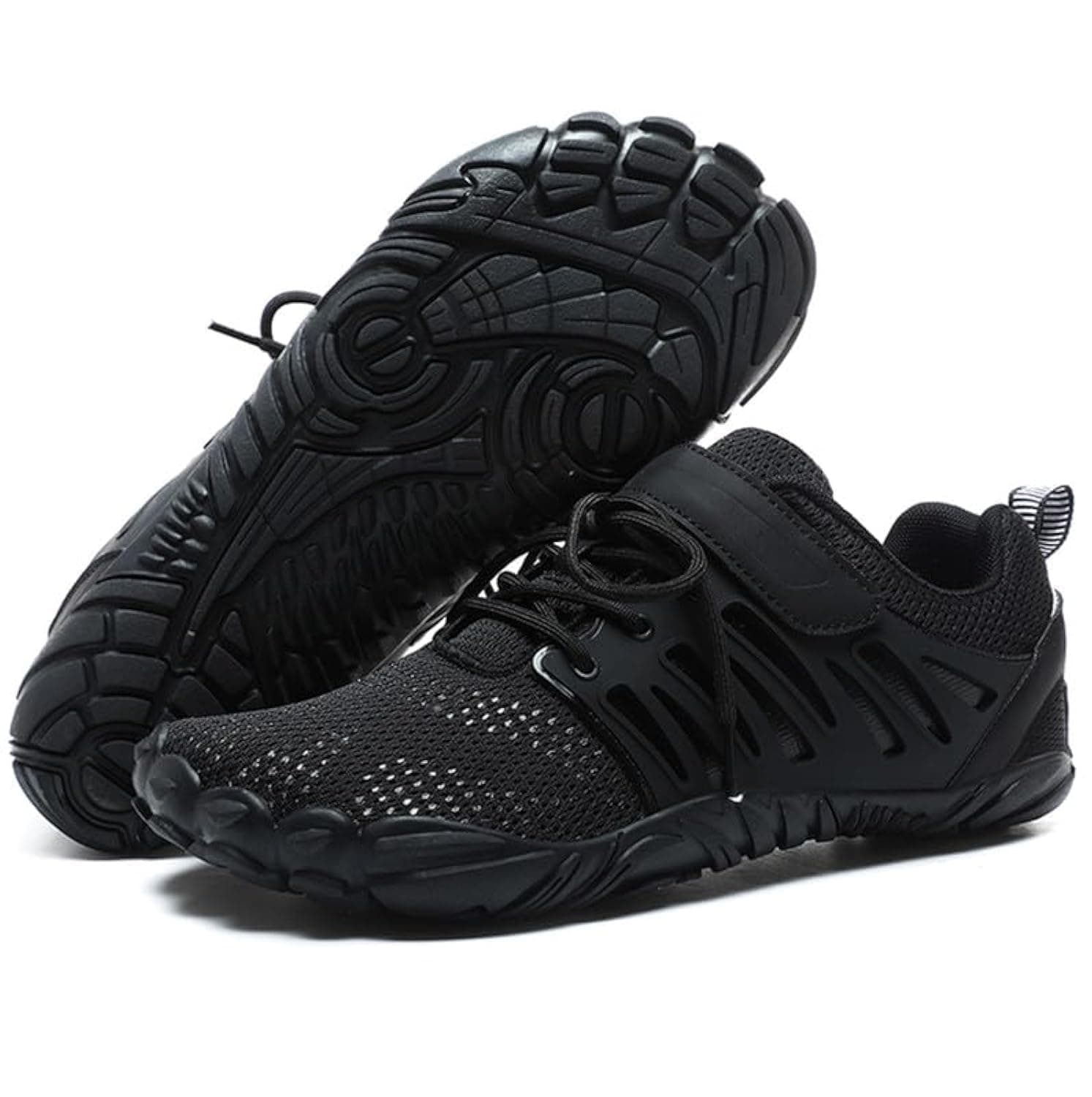
[Barefoot Shoes Men Wide Toe Box Zero Drop Water Shoes Men for Gym Workout Minimalist Weightlifting Cross-Trainer Running Hike Grounded Footwear 11 Black](https://www.amazon.com/dp/B0BQR1V8F2?tag=swing-mass-20)
Rating: ⭐ 4.4/5 (3936 reviews)
Price: Check Website
- 【Zero drop】Zero Drop, non-elevated sole place the forefoot and heel flat on the ground to allows the feet , putting the feet in a neutral position and naturally adjusting the posture of the feet, back and body posture. Ensures proper posture and reduces stress on joints.
- 【Wide toe box】Barefoot shoes are designed with a wider than average toe box to provides ample space for toes a more active fit that allows your toes to splay into their natural posture,spreading and relaxing your forefoot.
- 【Removable insole】Our hike barefoot shoes men's Removable cushioned insoles is designed to support the arch of the foot and reduce the stress on the joints.if you want a "more barefoot" feeling,remove the insole for a better feel of the ground.
I highly recommend these Barefoot Shoes for anyone serious about heavy jump rope training. The zero-drop design is the standout feature here, as it places your feet in a neutral position that naturally aligns your back and body posture—something that is often compromised when swinging heavy weights. These are best for intermediate to advanced jumpers who have already built up some foot strength, as the lack of "fake" arch support requires your muscles to do the work.
The standout features include the exceptionally wide toe box, which allows for maximum toe splay, and the removable insole. If you want a true "grounded" feel, you can take the insole out; if you’re jumping on a harder surface, you can leave it in for a touch of protection. The rubber outsole is flexible yet non-slip, providing the grip needed to prevent sliding during high-intensity intervals. The only drawback is that beginners may find the lack of cushioning jarring at first, so it is best to transition into these slowly to avoid calf strain.
Specialized Options for Youth and Fun-Based Training
While serious training often requires minimalist gear, there is a segment of the jump rope world focused on youth fitness and high-impact "bounce" training. For children, the goal is often to make exercise feel like play while building the necessary leg strength for more advanced athletics later in life. In these cases, shoes that provide an exaggerated response can help develop coordination and balance in a fun, engaging environment.
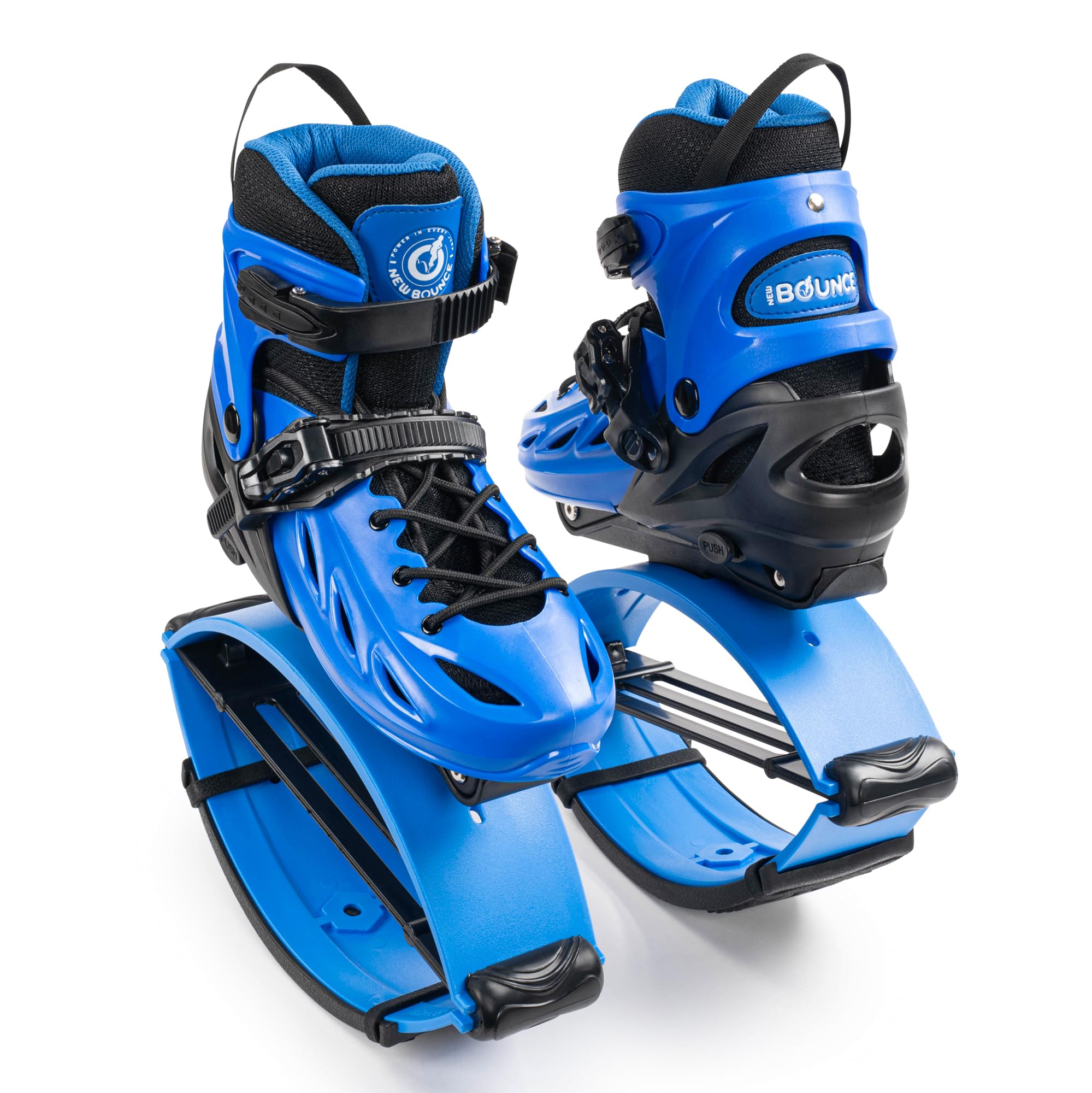
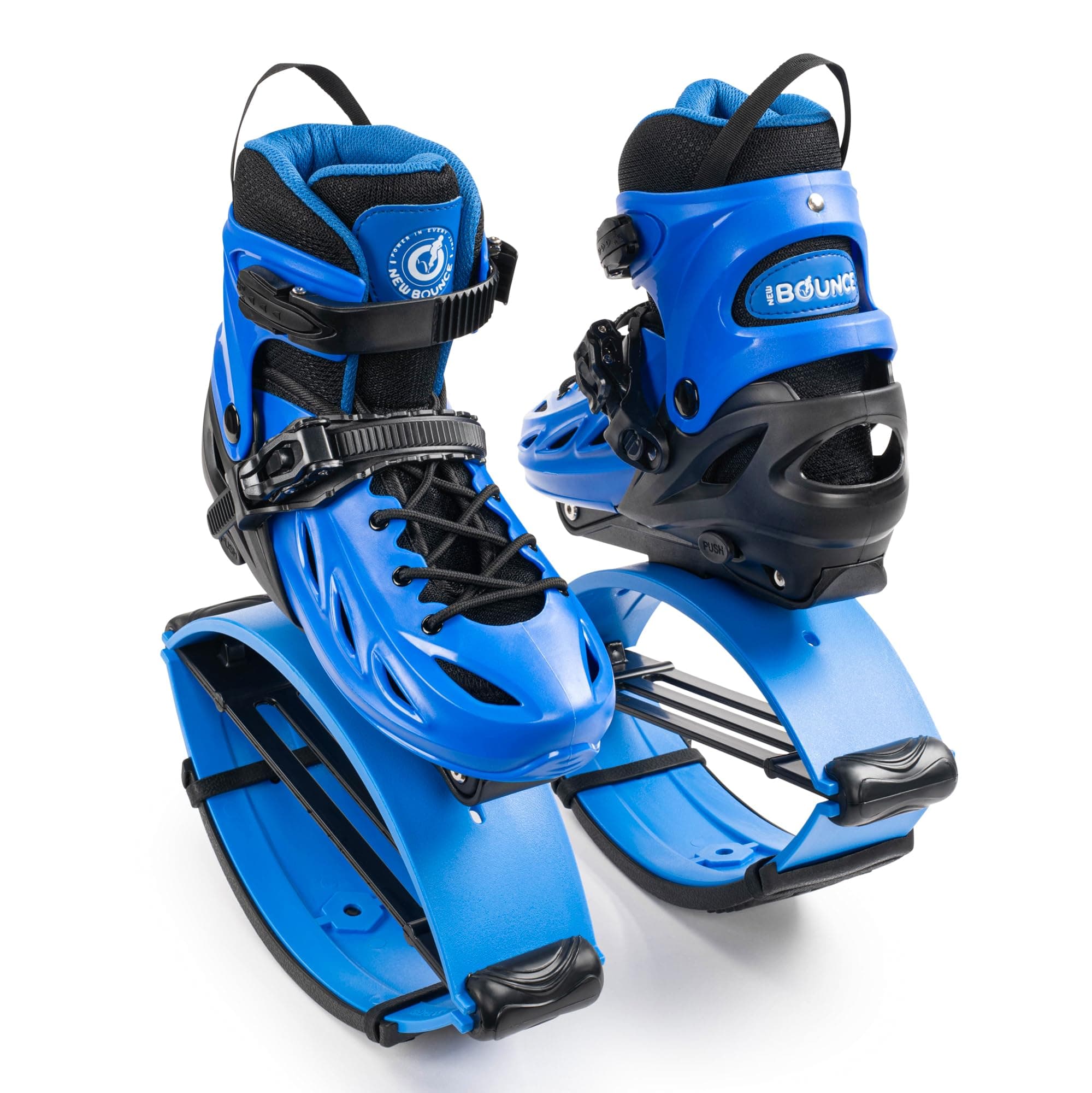
[New Bounce Jumping Shoes for Kids - Premium Moon Boots - Durable Kangaroo Jumpers - Strong, Safe and Adjustable Fit, Perfect for Exercise and Fun - New & Improved Edition (Large, Blue) Blue Large (38-42 EU)](https://www.amazon.com/dp/B0FZF91DHH?tag=swing-mass-20)
Rating: ⭐ 4.2/5 (28 reviews)
Price: Check Website
- NEW & IMPROVED - The kangaroo shoes feature rugged rubber grips on the sole for better traction. It also features a heavy duty durable frame that won't break and a secure adjustable fastening straps
- STAYING FIT - The bouncy boots for kids is a fun way to keep in shape. These shoes will help you burn calories, reduce body fat and strengthen your legs and thighs muscles.
- SAFETY - To prevent injuries, we recommend always using a Helmet and protective gear while jumping. Children must be supervised at all times by and adult while using the bouncy shoes.
The New Bounce Jumping Shoes are a unique recommendation specifically for kids and younger teens who want to add a "fun" element to their cardio. While not a traditional jump rope shoe, these "moon boots" are excellent for building leg and thigh muscles through plyometric movement. They are best for children (ages 5+) who might find traditional rope jumping repetitive and need an extra incentive to stay active.
The standout features include the "New & Improved" rugged rubber grips on the sole, which provide much better traction than older versions of kangaroo jumpers. The frame is heavy-duty and durable, designed to withstand the high-impact forces of jumping. However, because these significantly elevate the user, safety gear like a helmet is a must. The main drawback is that they aren't suitable for high-speed technical rope work, but for pure calorie burning and leg strengthening in a backyard setting, they are a blast.
Ankle Support and High-Top Performance
For many heavy rope enthusiasts, ankle stability is the primary concern. When you are swinging a heavy rope, the "misses" (where the rope hits your feet) can be more painful and jarring. Additionally, the extra weight can make the ankles feel "loose" during long sets. This is where wrestling and boxing-style shoes come into play. These shoes are designed for sports that require constant pivoting and lateral movement while maintaining a flat, stable connection to the floor.
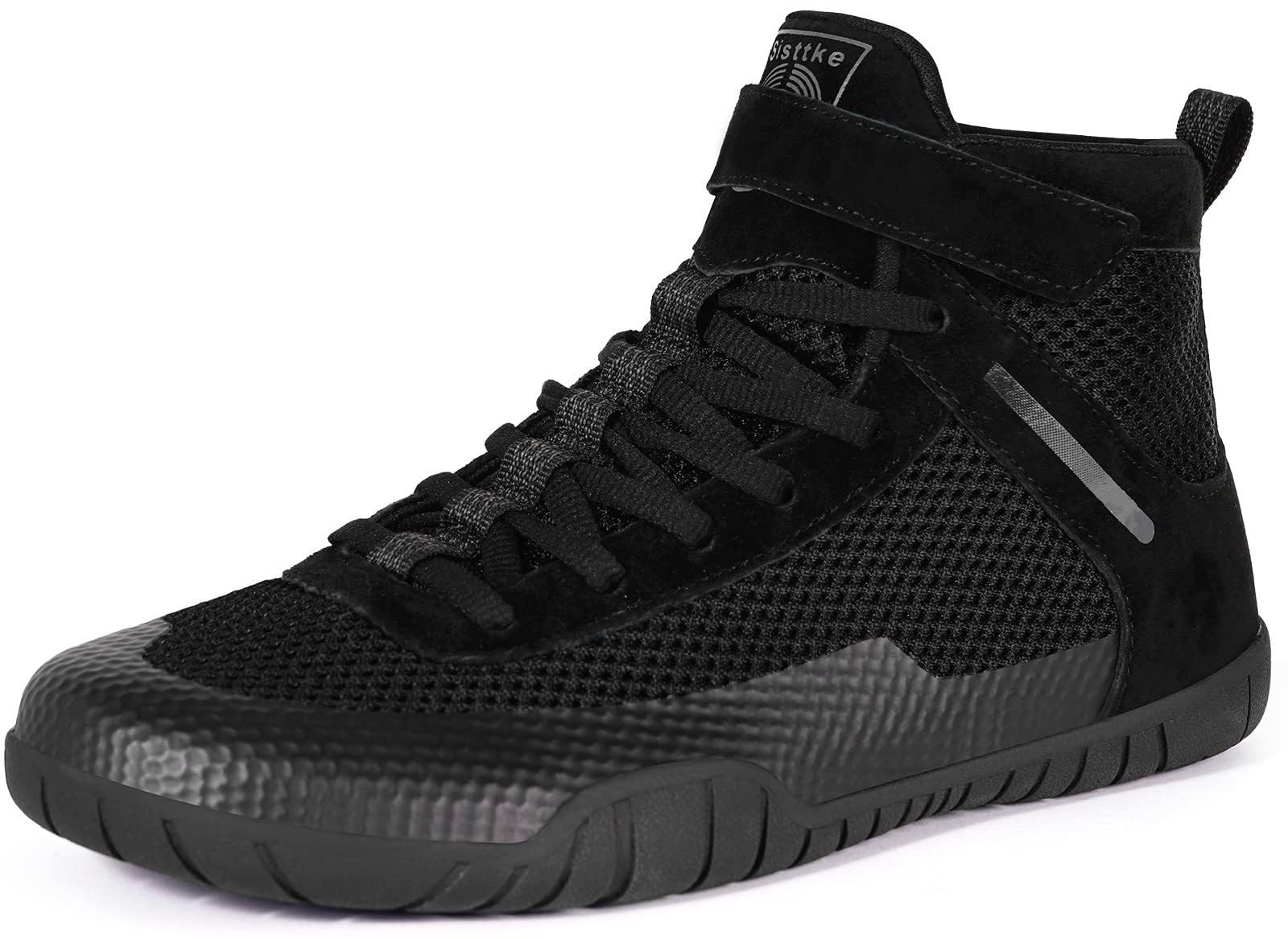
[Wrestling Shoes Mens Boxing Shoe Fitness Weightlifting Powerlifting Zero Drop Sole 12.5 Wide Black](https://www.amazon.com/dp/B0BJ68946K?tag=swing-mass-20)
Rating: ⭐ 4.4/5 (1165 reviews)
Price: Check Website
- Zero drop,Wide width sole,It is easier to maintain body balance.
- Minimal style, wrestling shoe is a must-have for wrestling professionals from all backgrounds.
- Mid top upper to protect your ankle
These Wrestling/Boxing shoes are my top recommendation for jumpers who want the benefits of a zero-drop sole combined with the security of a mid-top upper. I recommend these for heavy rope users who have a history of ankle rolls or those who jump on slightly uneven surfaces. The mid-top design provides a "hug" around the ankle that offers psychological and physical support during high-impact sessions.
The standout feature is the combination of a wide width sole and a zero-drop profile, which makes it significantly easier to maintain body balance compared to a standard cross-trainer. The rubber sole is anti-skid and wear-resistant, which is crucial if you are jumping on gym floors or outdoor mats. A minor drawback is that they can be a bit more difficult to slip on and off quickly compared to low-top shoes, but the added stability and protection for your ankles make the extra few seconds of lacing well worth the effort.
Maintenance, Longevity, and When to Replace Your Shoes
Even the best jump rope shoes have a shelf life. Because jump rope training involves thousands of repetitive impacts on the forefoot, the midsole material (even in minimalist shoes) will eventually compress and lose its ability to protect your joints. For heavy rope users, this wear-and-tear is accelerated because of the added body-plus-rope weight. A good rule of thumb is to inspect your shoes every 3 to 6 months if you are jumping 3+ times per week.
One of the first signs that your shoes need replacing is uneven wear on the outsole. If you notice that the tread is completely gone under the ball of your foot, but the heel looks brand new, you are losing the traction necessary for safe jumping. This can lead to your foot slipping during a landing, which is particularly dangerous when a heavy rope is mid-swing. Furthermore, if you start feeling "hot spots" or unusual soreness in your arches or shins that wasn't there before, the internal structure of the shoe has likely broken down.
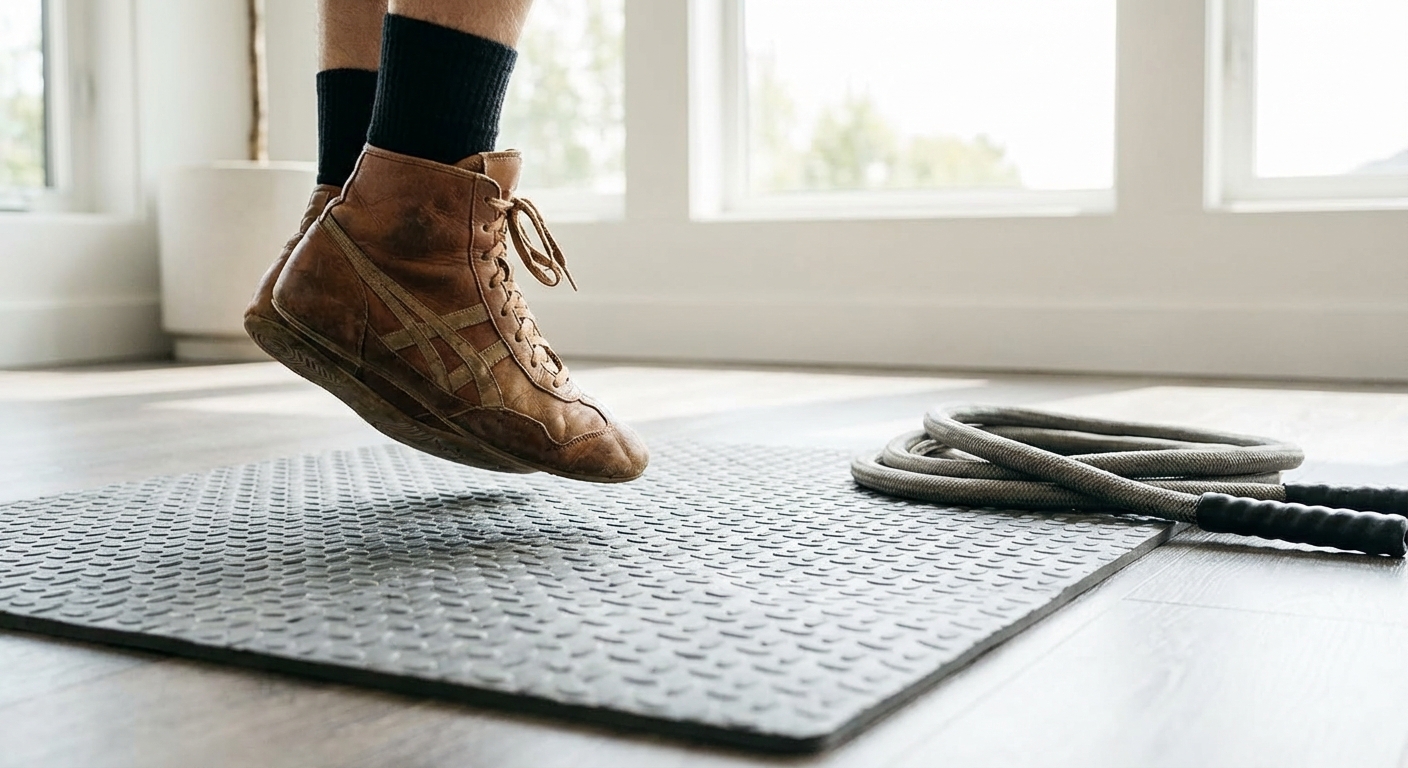
To extend the life of your footwear, we highly recommend using a dedicated jump rope mat. Jumping on concrete or asphalt acts like sandpaper on your outsoles, shredding the rubber in a matter of weeks. A high-quality rubber mat provides a layer of protection for both your shoes and your joints. Additionally, try to keep your jump rope shoes exclusively for jumping. Wearing them for daily walking or running will wear down the specific areas of the sole you need for your rope sessions, shortening their lifespan prematurely.
Pro-Tips and Common Footwear Mistakes
One of the most common mistakes we see at SwingMass is jumpers wearing socks that are too thin or too "slick" inside their shoes. When using a heavy rope, your foot undergoes significant internal pressure. If your sock allows your foot to slide around inside the shoe, you’re going to end up with blisters and a lack of control. Look for "athletic compression" socks that have a bit of padding on the ball of the foot and a snug fit around the arch. This works in tandem with your shoes to create a unified, stable platform.
Another pro-tip is to "lace for stability." Most people lace their shoes with the same tension from bottom to top. For jump rope, you want the toe area to be slightly loose to allow for that natural splay we discussed earlier, but you want the mid-foot and ankle area to be very secure. This prevents your foot from sliding forward into the front of the shoe during the landing phase. If you feel your toes hitting the front of the shoe, you likely need to tighten the mid-foot laces or look for a shoe with a more secure heel lock.
Finally, don't ignore the "break-in" period. If you switch from a cushioned shoe to a minimalist shoe like the ones mentioned above, your calves are going to be incredibly sore for the first week. This isn't a sign that the shoes are bad; it's a sign that your muscles are finally working. Start with short 5-minute sessions in your new shoes and gradually increase the duration over two weeks. This allows your tendons to adapt to the new mechanics without risking an overuse injury like Achilles tendonitis.
FAQ
Can I jump rope barefoot instead of buying specific shoes? Jumping barefoot is an excellent way to strengthen the small muscles in your feet and improve your form, as it forces you to land softly on the balls of your feet. However, when using heavy ropes, the risk of a "miss" hitting your bare toes is significant and can cause injury. Additionally, if you are jumping on a hard surface without a mat, the lack of any protection can lead to stress fractures over time. We recommend barefoot jumping only for short durations on a soft mat for "foot conditioning," while using shoes for your main heavy rope workouts.
Do I need different shoes for jumping outdoors vs. indoors? The main difference between indoor and outdoor jumping is the friction and impact of the surface. Indoors, on gym floors or mats, almost any specialized jump rope shoe will perform well. Outdoors, on concrete or asphalt, you need a shoe with a much more durable rubber outsole. Minimalist shoes with very thin soles may wear out too quickly on concrete. If you jump outdoors frequently, look for shoes with "high-abrasion" rubber soles and always use a portable jump rope mat to protect your investment.
Should I choose high-tops or low-tops for heavy rope training? This largely comes down to personal preference and injury history. High-tops, like wrestling or boxing shoes, offer more lateral stability and can prevent the ankle from "rolling" if you have a clumsy landing. They also provide a bit of protection if the heavy rope strikes your ankle bone. Low-tops offer more freedom of movement and are generally lighter and more breathable. If you have strong, healthy ankles, low-tops are fine; if you want extra security, go with a mid or high-top.
How tight should my jump rope shoes be? Your shoes should be "snug but not suffocating." You want enough room in the toe box to wiggle your toes freely, which is essential for balance. However, the heel and the mid-foot (the arch area) should be locked in tight so that your foot doesn't slide around. If your foot moves independently of the shoe, you lose the "ground feel" necessary to time a heavy rope correctly. Always check your laces halfway through a workout, as they can loosen during high-intensity jumping.
Are cross-training shoes good for jumping rope? Yes, cross-trainers (like those designed for CrossFit) are often a great middle ground for jump rope enthusiasts. They are built to handle both lifting (stability) and plyometrics (jumping). Most cross-trainers have a lower drop than running shoes and a firmer sole, which is exactly what you want. However, they can sometimes be a bit heavy. If you find a cross-trainer that feels light on your feet and has a relatively flat sole, it can be an excellent choice for a weighted rope routine.
Our Top Picks for 2026
We've spent hours researching and testing to find the absolute best options currently available.
New Bounce Jumping Shoes for Kids - Premium Moon Boots - Durable Kangaroo Jumpers - Strong, Safe and Adjustable Fit, Perfect for Exercise and Fun - New & Improved Edition (Large, Blue) Blue Large (38-42 EU)
- NEW & IMPROVED - The kangaroo shoes feature rugged rubber grips on the sole for better traction. It also features a heavy duty durable frame that won't break and a secure adjustable fastening straps
- STAYING FIT - The bouncy boots for kids is a fun way to keep in shape. These shoes will help you burn calories, reduce body fat and strengthen your legs and thighs muscles.
- SAFETY - To prevent injuries, we recommend always using a Helmet and protective gear while jumping. Children must be supervised at all times by and adult while using the bouncy shoes.
Barefoot Shoes Men Wide Toe Box Zero Drop Water Shoes Men for Gym Workout Minimalist Weightlifting Cross-Trainer Running Hike Grounded Footwear 11 Black
- 【Zero drop】Zero Drop, non-elevated sole place the forefoot and heel flat on the ground to allows the feet , putting the feet in a neutral position and naturally adjusting the posture of the feet, back and body posture. Ensures proper posture and reduces stress on joints.
- 【Wide toe box】Barefoot shoes are designed with a wider than average toe box to provides ample space for toes a more active fit that allows your toes to splay into their natural posture,spreading and relaxing your forefoot.
- 【Removable insole】Our hike barefoot shoes men's Removable cushioned insoles is designed to support the arch of the foot and reduce the stress on the joints.if you want a "more barefoot" feeling,remove the insole for a better feel of the ground.
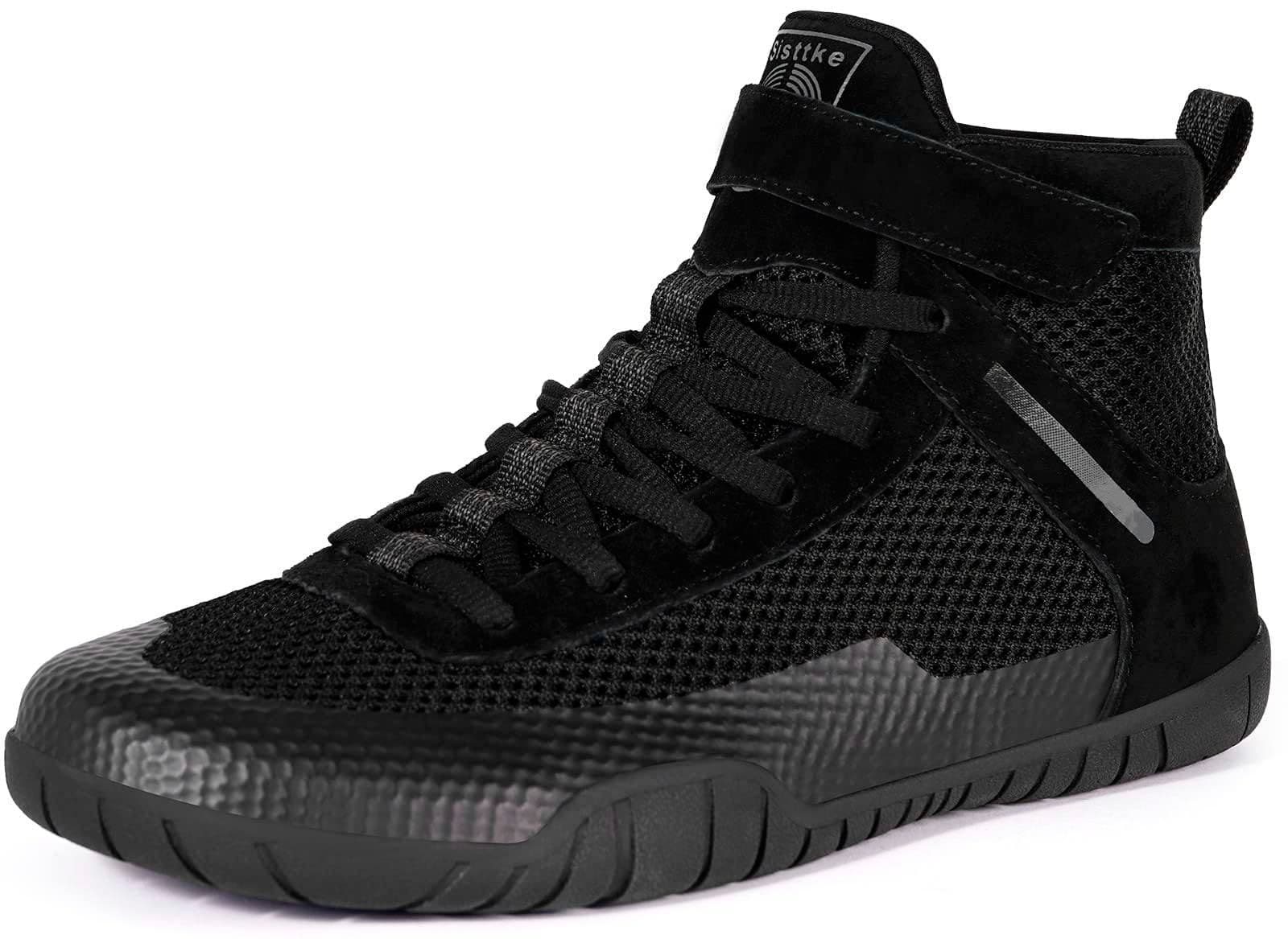
Wrestling Shoes Mens Boxing Shoe Fitness Weightlifting Powerlifting Zero Drop Sole 12.5 Wide Black
- Zero drop,Wide width sole,It is easier to maintain body balance.
- Minimal style, wrestling shoe is a must-have for wrestling professionals from all backgrounds.
- Mid top upper to protect your ankle