
Heavy Rope Training for Joint Health

Heavy Rope Training for Joint Health
Jump rope training often gets a bad reputation among those with sensitive knees or aging joints. The common misconception is that the repetitive bouncing is inherently damaging, akin to the high-impact stress of long-distance running. However, when we shift the focus to heavy rope training, the narrative changes entirely. Unlike speed ropes that prioritize velocity and quickness, weighted ropes introduce a resistance element that slows down the movement, forces better posture, and actually works to strengthen the connective tissues surrounding your joints.
In this guide, we will explore why "jump rope joints" doesn't have to be a term associated with pain. Instead, we will look at how the added mass of a heavy rope provides the necessary feedback to improve your jumping mechanics. You will learn the science behind low-impact plyometrics, how to customize your equipment for maximum safety, and why adding weight to your swing might be the best thing you ever do for your ankles, knees, and hips. Whether you are recovering from an injury or looking to prevent one, heavy rope training offers a path to cardiovascular fitness without the orthopedic toll.
Table of Contents
- The Science of Impact: Why Heavy Ropes are Different
- Building Resilience: How Weighted Ropes Strengthen Connective Tissue
- The Importance of Proper Sizing and Hardware
- Tactile Feedback and Injury Prevention
- Surface Selection and Footwear for Joint Longevity
- Common Mistakes That Stress Your Joints
- Frequently Asked Questions
The Science of Impact: Why Heavy Ropes are Different
When most people think of jumping rope, they envision a lightning-fast speed rope whirring through the air. This high-velocity style requires rapid, sometimes frantic footwork that can lead to landing errors and increased vertical oscillation. Heavy rope training, by contrast, is a self-correcting exercise. The weight of the rope—ranging from half a pound to several pounds—creates significant centrifugal force. This force requires the jumper to engage their entire posterior chain and core, naturally pulling the body into a more upright, balanced position. Because the rope moves slower, the jumper is forced to stay lower to the ground, typically jumping only an inch or two high, which significantly reduces the impact force upon landing.
Furthermore, the "feedback" provided by a weighted rope is a game-changer for joint safety. With a thin speed rope, it is easy to lose track of where the cable is in space, leading to "tripping" and sudden, jerky movements to recover. A heavy rope tells your brain exactly where it is at all times. This neurological feedback loop allows for smoother, more rhythmic movements. Instead of the jarring impact of a missed step, you develop a consistent, controlled cadence. This rhythm helps distribute the load evenly across the ankles, knees, and hips, rather than concentrating the stress on a single joint.
Research into plyometrics suggests that controlled, low-amplitude jumping can actually increase bone density and strengthen tendons. The key word here is "controlled." By using a rope that provides resistance, you are essentially performing a functional resistance exercise while simultaneously getting a cardio workout. This dual-purpose training ensures that your muscles are supporting your joints throughout the entire range of motion. For those concerned about "jump rope joints," the transition from a standard rope to a weighted version often results in an immediate reduction in perceived joint strain.
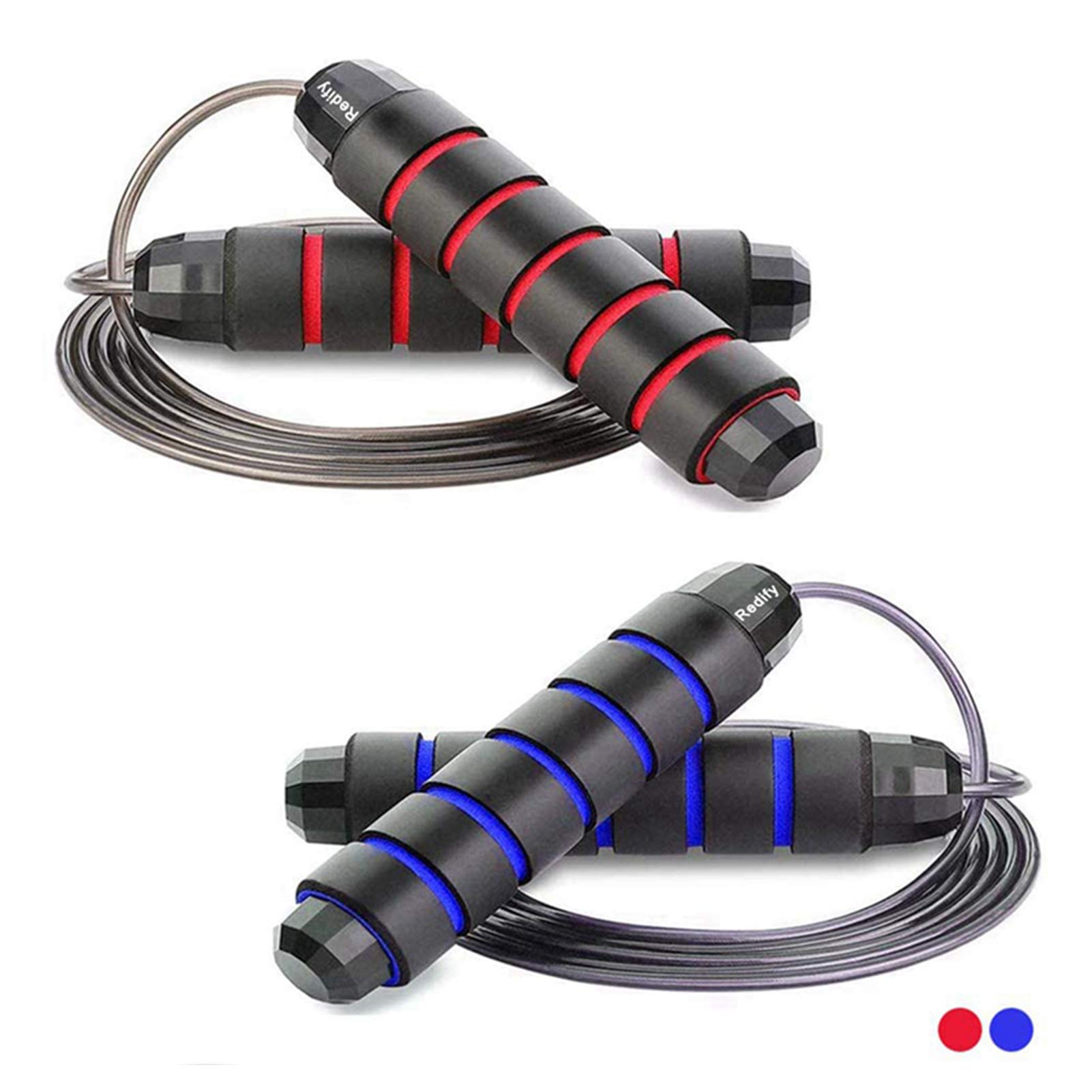
[Redify Jump Rope,Jump Ropes for Fitness for Women Men and Kids,Speed Jumping Rope for Workout with Ball Bearings,Adjustable Skipping Rope for Exercise&Slim Body at Home School Gym Red,Blue](https://www.amazon.com/dp/B086XC32L2?tag=swing-mass-20)
Rating: ⭐ 4.4/5 (7978 reviews)
Price: Check Website
- [Sports Fitness] Jump rope is a great calorie-burner. Improves your balance and quickness/coordination by making your mind focus on your feet for sustained periods of time, improving the muscle tension of your whole body.
- [Smooth and Fast] The ball bearing system avoids the twisting, winding or bending like other fitness ropes, high quality premium ball bearing, it ensures a smooth and effortless spin making it the perfect addition to any calorie burning workout.
- [PVC Embedded Wire Rope] The braided steel wire rope is coated with PVC,braided wire rope is coated with PVC.which features durable and smooth, ensures the maximum service life and avoids cracking or breaking.
The Redify Jump Rope is an excellent entry point for those looking to balance speed with the benefits of a weighted feel. I recommend this rope because it features a PVC-embedded wire cable that provides more "heft" and durability than a standard plastic rope, making it easier for beginners to feel the rope's arc. The ball-bearing system in the handles is particularly impressive for this price point; it ensures that the rotation is smooth and doesn't produce the "tugging" sensation that can lead to wrist or elbow strain.
This product is best for fitness enthusiasts who want a versatile tool for home or gym use. The memory foam handles are a standout feature, providing a secure, comfortable grip that prevents hand fatigue during longer sessions—a common issue when you're focusing on maintaining form for joint health. One potential drawback is that for those seeking a truly "heavy" experience (over 1lb), this rope might feel a bit light, as it leans more toward a "weighted speed rope" category. However, compared to basic plastic ropes found in big-box stores, the Redify offers significantly better feedback and durability.
Building Resilience: How Weighted Ropes Strengthen Connective Tissue
Joint health isn't just about avoiding impact; it's about building the strength to handle it. Heavy rope training acts as a form of "loaded plyometrics." Every time you land and take off, your tendons—specifically the Achilles and the patellar tendon—act like springs. Over time, the resistance provided by a heavy rope increases the "stiffness" of these tendons in a healthy way. This increased stiffness allows the tendons to store and release energy more efficiently, which actually protects the joint by taking the load off the bone and cartilage.
In addition to tendon health, the heavy rope engages the stabilizing muscles around the joints. When you swing a heavy rope, your shoulders, forearms, and core must stabilize the torso against the pull of the rope. This global stabilization prevents the "wobble" that often occurs when a person is fatigued. For the lower body, this means the ankles are less likely to roll and the knees are less likely to cave inward (valgus stress). By strengthening the glutes and calves through this weighted resistance, you create a muscular "shield" that absorbs the shock of every jump before it ever reaches the joint capsule.
For older athletes or those with a history of joint issues, the slow-motion nature of heavy rope work is a safer alternative to traditional running. Running involves a high-impact "flight phase" where one leg must absorb several times the body's weight. Jumping rope with a heavy cable keeps both feet working in unison (or in a very tight alternating pattern), distributing the load more symmetrically. This symmetry is vital for long-term joint longevity, as it prevents the overcompensation injuries that often plague runners and high-impact athletes.
The Importance of Proper Sizing and Hardware
One of the most overlooked aspects of protecting your joints while jumping is the length of the rope. If a rope is too long, it will bounce off the ground and hit your feet, causing you to jump higher than necessary to clear it. If it is too short, you will be forced to hunch over or tuck your knees, putting immense pressure on the lower back and patella. Achieving the "Goldilocks" length is essential for maintaining an upright posture that keeps the joints stacked and safe. Most high-quality ropes allow for adjustment, but the hardware used to secure that length must be reliable.
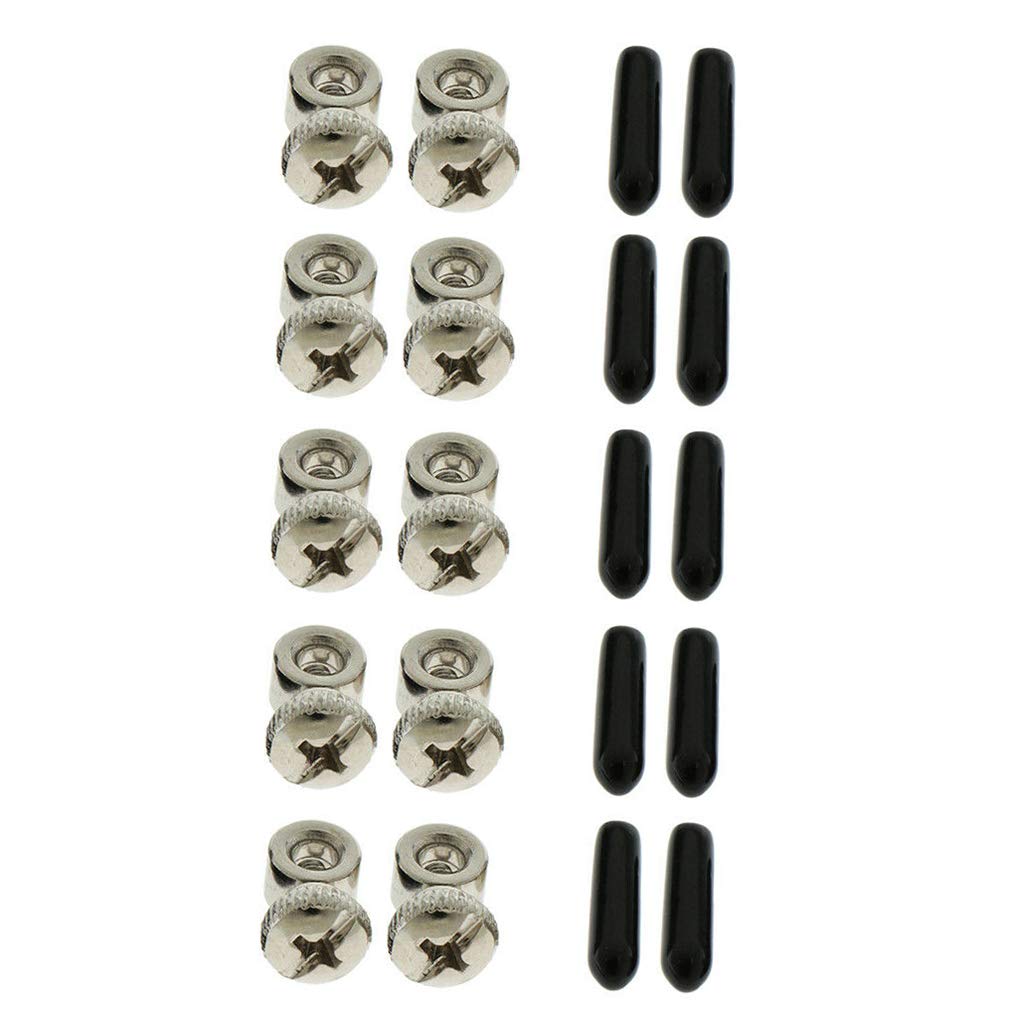
[5 Sets Replacement Jump Rope Adjustable Screws End Caps for Speed Cable Jump Ropes Parts Accessory](https://www.amazon.com/dp/B08952472G?tag=swing-mass-20)
Rating: ⭐ 4.3/5 (49 reviews)
Price: Check Website
- 5 Sets Replacement Adjustable Screws End Caps for Speed Cable Jump Ropes Parts Accessory
- Replacement speed jump rope cable adjustable screws and ends caps can adjust the rope length for most 2.5mm Diameter cable skipping ropes
- This adjustable screws allows you to adjust the rope length properly for your height
I recommend keeping a set of these Replacement Jump Rope Adjustable Screws and End Caps in your gym bag if you use cable-style weighted ropes. While it may seem like a minor accessory, having the ability to precisely lock in your rope length is a safety requirement. These are best for athletes who have purchased a rope that was "one size fits all" and need to trim it down for their specific height. The premium steel construction ensures that the rope won't slip mid-workout, which could lead to a trip and a potential joint tweak.
The standout feature here is the 5-set variety, which is perfect for those who own multiple ropes or need to replace lost parts. A drawback is that they are specifically designed for 2.5mm diameter cables, so they won't work on the thickest "battle rope" style jump ropes. However, for most weighted speed ropes like the Redify, these are a perfect fit. Compared to the plastic clips that come with many cheap ropes, these steel screws provide a much more secure and permanent fix, ensuring your rope's length stays consistent for optimal joint alignment.
Tactile Feedback and Injury Prevention
The concept of "proprioception"—your body's ability to sense its position in space—is critical for joint safety. Heavy ropes provide superior proprioceptive feedback compared to light ropes. However, another way to increase this feedback is through the use of beaded ropes. Beaded ropes consist of a nylon inner cord covered in plastic segments. These segments add weight, but more importantly, they create a distinct "clack" every time the rope hits the floor. This auditory and tactile signal tells your brain exactly when to time the jump, reducing the likelihood of a mistimed landing that could strain the ankle.
For those who already own a rope but want to increase its weight or feedback for better joint control, customizing the cable is a viable option. Adding beads to a thin cord transforms it into a "segmented" rope, which is widely considered the best tool for learning proper form. The added wind resistance of the beads also slows the rope down, further reinforcing the low-impact mechanics we’ve discussed.
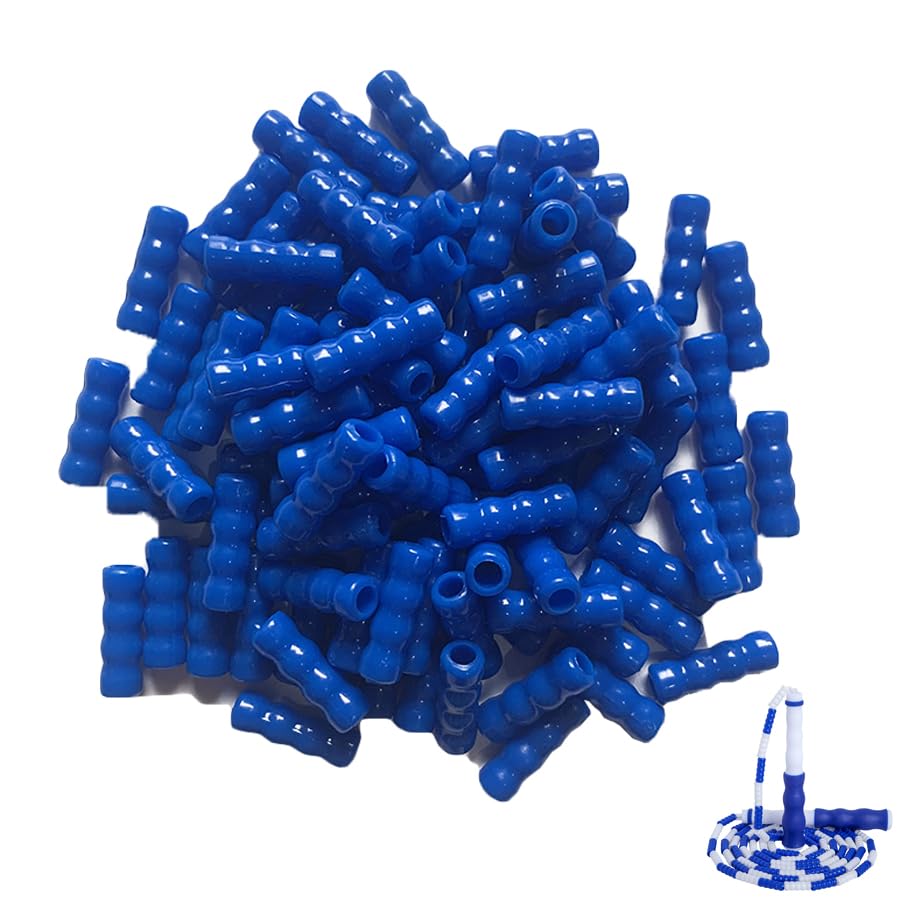
[50 Pack Beaded Jump Rope Beads Replacement Tangle-Free Segmented Skipping Rope Rubber Bead Barrel Parts for Soft Beaded Skipping Ropes Cable Adults Kids Adjustable Segmented Jumping Rope](https://www.amazon.com/dp/B0F2MWB9JX?tag=swing-mass-20)
Rating: ⭐ 5/5 (2 reviews)
Price: Check Website
- Package Included: 50 X Jump Rope Bamboo Knot
- Material: The Jumping Rope Bamboo Joint Accessories Are Made Of High-Quality Materials That Are Wear-Resistant And Drop Resistant
- Appearance: Spiral Bamboo Joint Design Provides More Concentrated Power And Stronger Swinging
These 50-pack Beaded Jump Rope Replacement Beads are a fantastic way to customize your training for better joint health. I recommend them for anyone who finds a standard PVC rope too "invisible" or fast. By threading these onto a cord, you create a rope that has significant weight and provides excellent tactile feedback. They are best for beginners or those working on rhythmic jumping to improve coordination.
The spiral bamboo joint design is a standout feature; it’s designed to be more aerodynamic than traditional round beads while still providing that satisfying "thump" on the ground. One drawback is that you do need a compatible inner cord to use these, as they are just the replacement parts. However, for the DIY fitness enthusiast, these allow you to build a custom-weighted rope at a fraction of the cost of a pre-built one. Compared to solid PVC ropes, a beaded rope made with these parts is much more "tangle-free," which is a major plus for maintaining a consistent workout rhythm.
Surface Selection and Footwear for Joint Longevity
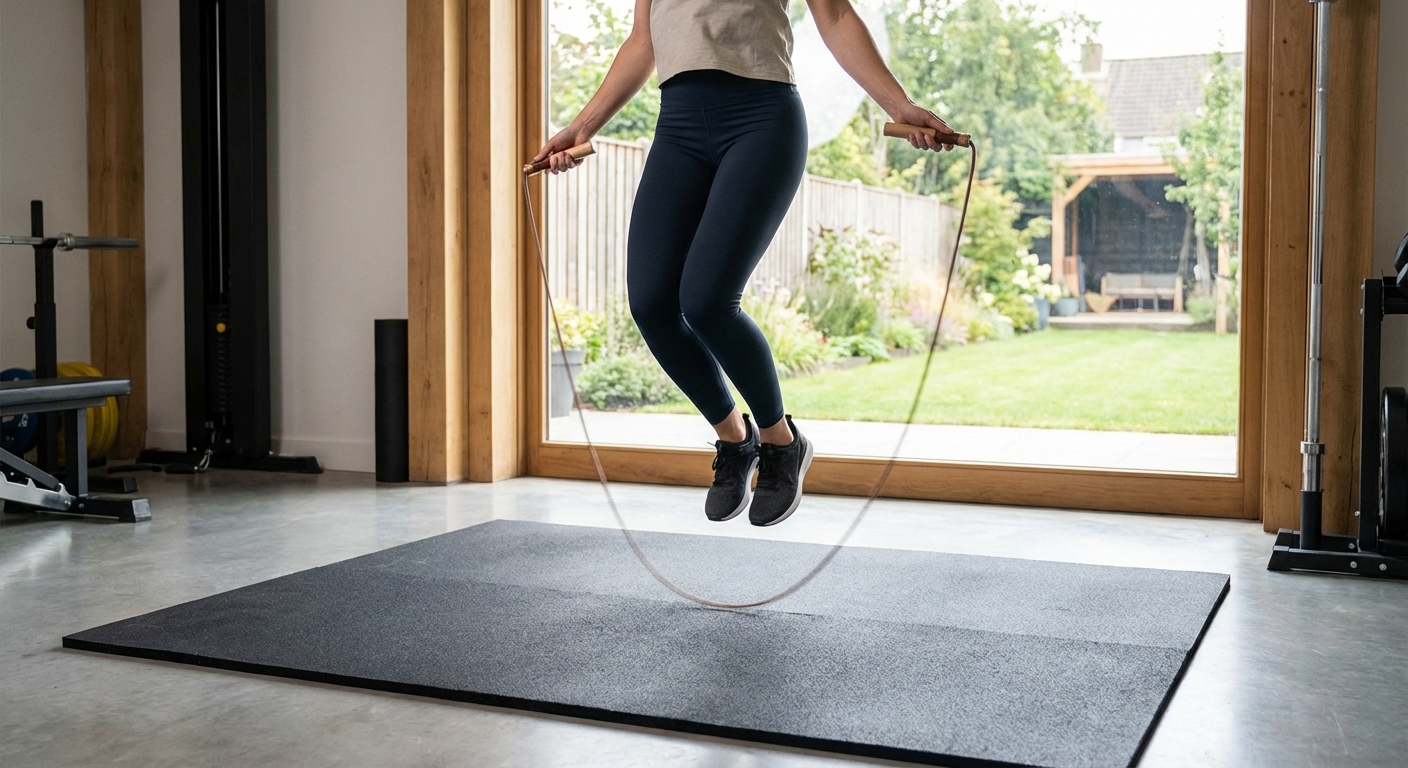
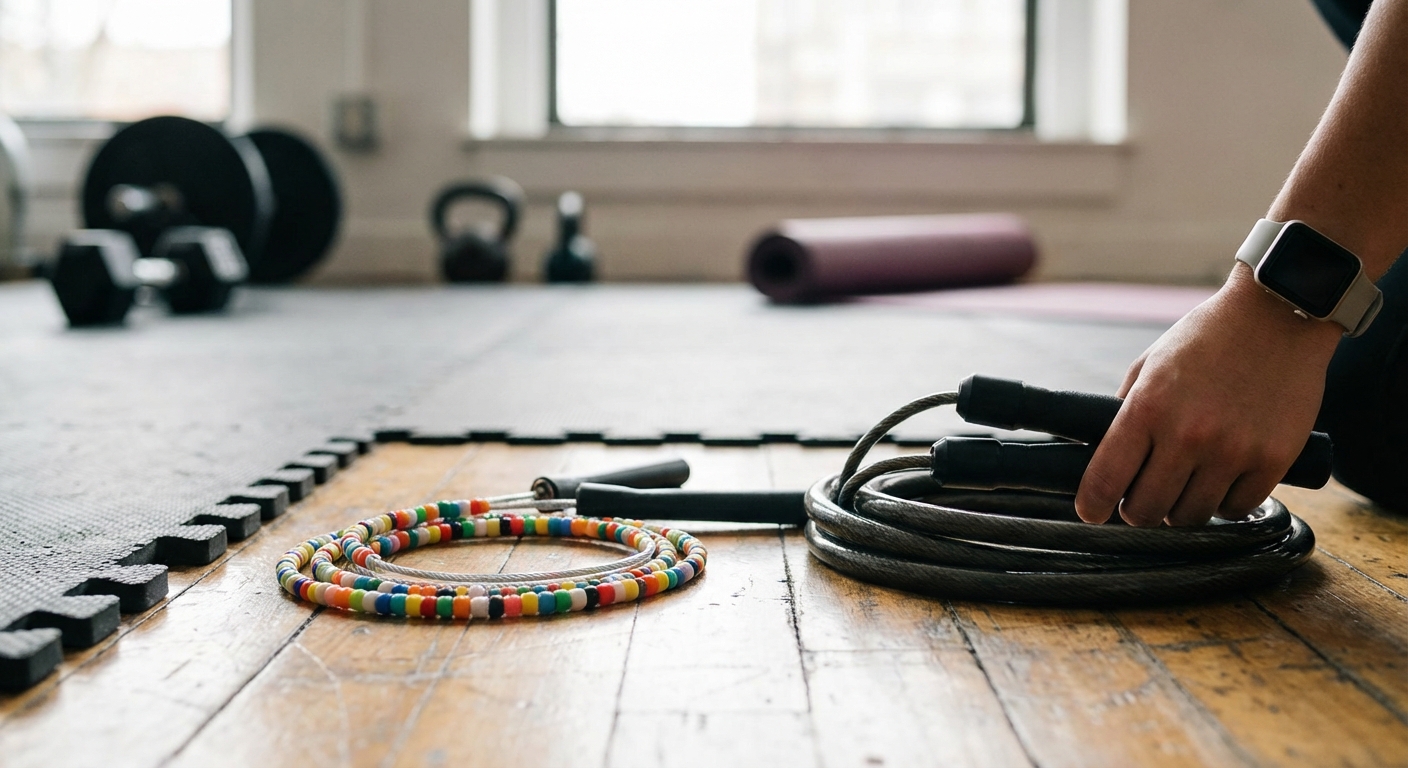
Even with a heavy rope and perfect form, the surface you jump on will dictate the level of stress placed on your joints. Jumping on concrete or asphalt is the fastest way to develop shin splints and knee pain. These surfaces have zero "give," meaning your joints must absorb 100% of the impact. Ideally, you should jump on a dedicated rubber jump rope mat, a suspended wooden floor (like a basketball court), or thin commercial-grade carpeting. These surfaces provide a subtle rebound that works in tandem with the heavy rope to cushion your landing.
Footwear is the second half of the equation. Many people try to jump rope in "minimalist" or barefoot-style shoes. While this can strengthen the feet over time, it provides very little protection for the joints if your form isn't already perfect. For heavy rope training, a shoe with good forefoot cushioning is essential. Since you should be jumping on the balls of your feet, the heel cushioning is less important than the padding under the metatarsals. Look for "cross-trainers" rather than "running shoes," as cross-trainers offer more lateral stability to protect your ankles.
Common Mistakes That Stress Your Joints
To keep your "jump rope joints" healthy, you must avoid the three most common technical errors. First is the "donkey kick" or "butt flick." This happens when you kick your heels back toward your glutes instead of keeping your knees slightly bent and feet under your hips. This movement puts excessive strain on the kneecap (patella) and can lead to tendonitis. A heavy rope helps correct this because the slow pace allows you to focus on a vertical, neutral jump.
The second mistake is landing with "flat feet" or on your heels. Your calves and ankles are designed to be the primary shock absorbers. If you land flat-footed, the shock travels directly up to your knees and lower back. You should always maintain a small gap between your heels and the floor. Finally, avoid "stiff-legging." You should never land with your knees locked. A slight, athletic bend in the knees at all times is what allows the muscles to dissipate the energy of the jump.
FAQ
Is jump rope worse for your knees than running? Actually, when performed correctly, jumping rope is generally considered lower impact than running. In running, you are propelling your body forward and landing on one leg at a time, which creates significant shearing forces on the knee. In jump rope, you are jumping vertically and landing on both feet simultaneously (usually), which distributes the force more evenly. Using a heavy rope further reduces impact by slowing the movement and encouraging a lower jump height.
How often should I train with a heavy rope if I have joint pain? If you have existing joint pain, it is crucial to start slow. Begin with just 5 to 10 minutes of "active" jumping, broken into 30-second intervals, twice a week. This allows your tendons and ligaments to adapt to the new stimulus without becoming inflamed. As your strength increases and the pain subsides, you can gradually increase the duration and frequency. Always listen to your body; "good" pain is muscle soreness, while "bad" pain is sharp or localized in the joint.
Can heavy rope training help with bone density? Yes, jumping rope is a weight-bearing exercise that has been shown to improve bone mineral density, particularly in the hips and lower spine. The repetitive, controlled impact signals the bones to lay down more minerals to handle the stress. By using a weighted rope, you are adding an extra layer of resistance that further stimulates this osteogenic (bone-building) process, making it an excellent tool for long-term skeletal health.
What is the best surface to jump on for joint protection? The gold standard is a high-density rubber mat designed specifically for jumping rope. These mats are usually about 1/4 inch thick and provide just enough compression to protect your joints without being so soft that they cause ankle instability. If a mat isn't available, a wooden gym floor or a firm outdoor track surface is a better alternative than concrete or tile.
Do I need special shoes for heavy rope training? While you don't need "special" shoes, you should avoid shoes with very thin soles if you are concerned about joint health. Look for a cross-training shoe that provides ample cushioning in the forefoot. Since jump rope is performed on the balls of the feet, the cushioning needs to be concentrated there to absorb the impact. Ensure the shoes have a snug fit to prevent your foot from sliding, which can lead to ankle strain.
Our Top Picks for 2026
We've spent hours researching and testing to find the absolute best options currently available.
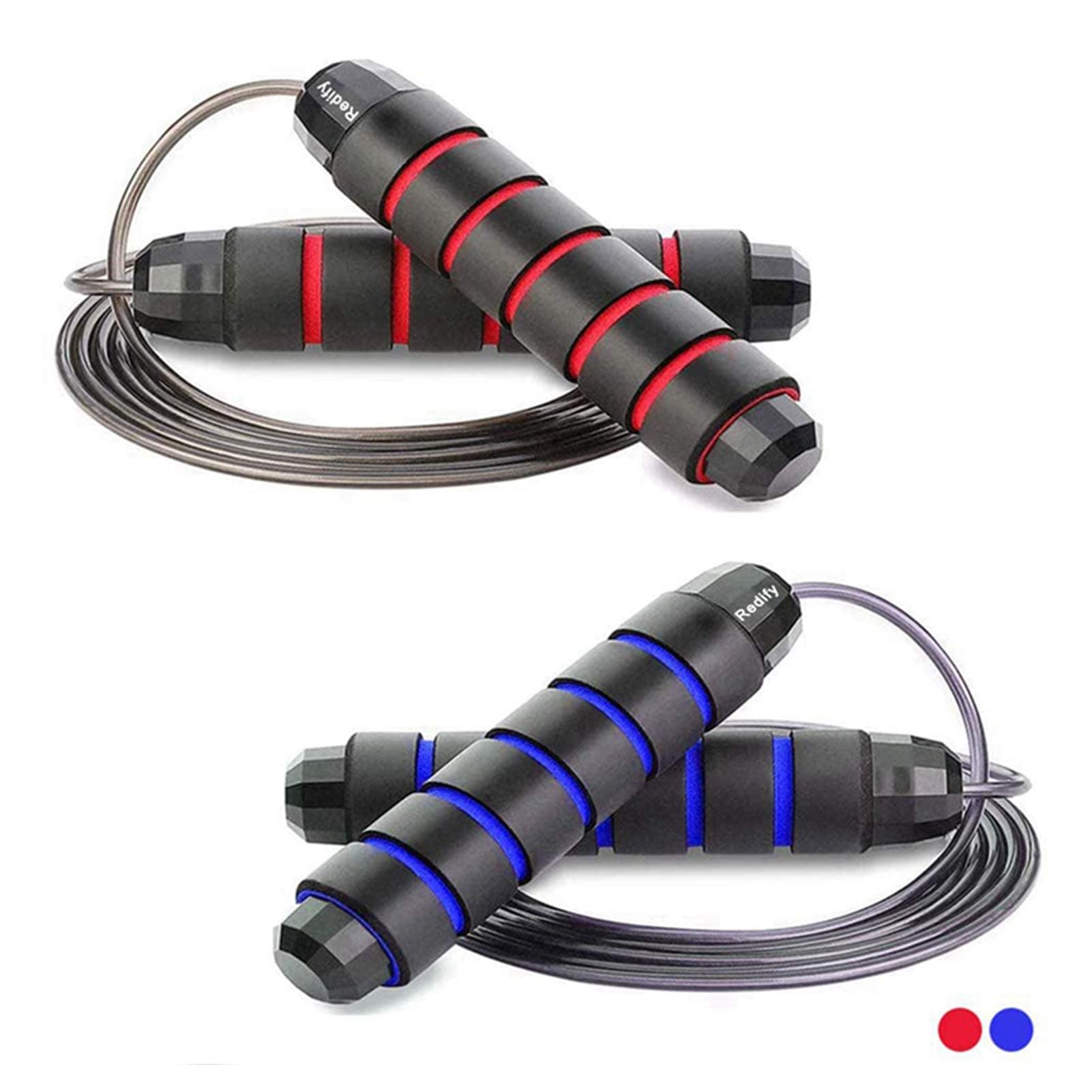
Redify Jump Rope,Jump Ropes for Fitness for Women Men and Kids,Speed Jumping Rope for Workout with Ball Bearings,Adjustable Skipping Rope for Exercise&Slim Body at Home School Gym Red,Blue
- [Sports Fitness] Jump rope is a great calorie-burner. Improves your balance and quickness/coordination by making your mind focus on your feet for sustained periods of time, improving the muscle tension of your whole body.
- [Smooth and Fast] The ball bearing system avoids the twisting, winding or bending like other fitness ropes, high quality premium ball bearing, it ensures a smooth and effortless spin making it the perfect addition to any calorie burning workout.
- [PVC Embedded Wire Rope] The braided steel wire rope is coated with PVC,braided wire rope is coated with PVC.which features durable and smooth, ensures the maximum service life and avoids cracking or breaking.
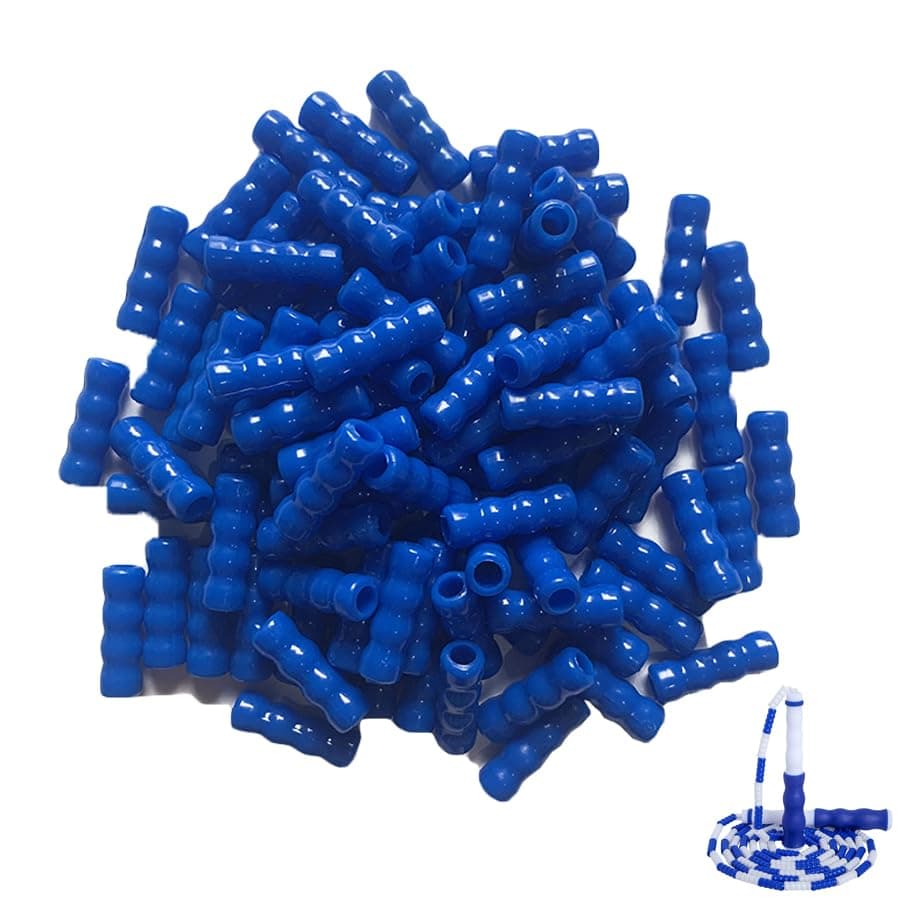
50 Pack Beaded Jump Rope Beads Replacement Tangle-Free Segmented Skipping Rope Rubber Bead Barrel Parts for Soft Beaded Skipping Ropes Cable Adults Kids Adjustable Segmented Jumping Rope
- Package Included: 50 X Jump Rope Bamboo Knot
- Material: The Jumping Rope Bamboo Joint Accessories Are Made Of High-Quality Materials That Are Wear-Resistant And Drop Resistant
- Appearance: Spiral Bamboo Joint Design Provides More Concentrated Power And Stronger Swinging
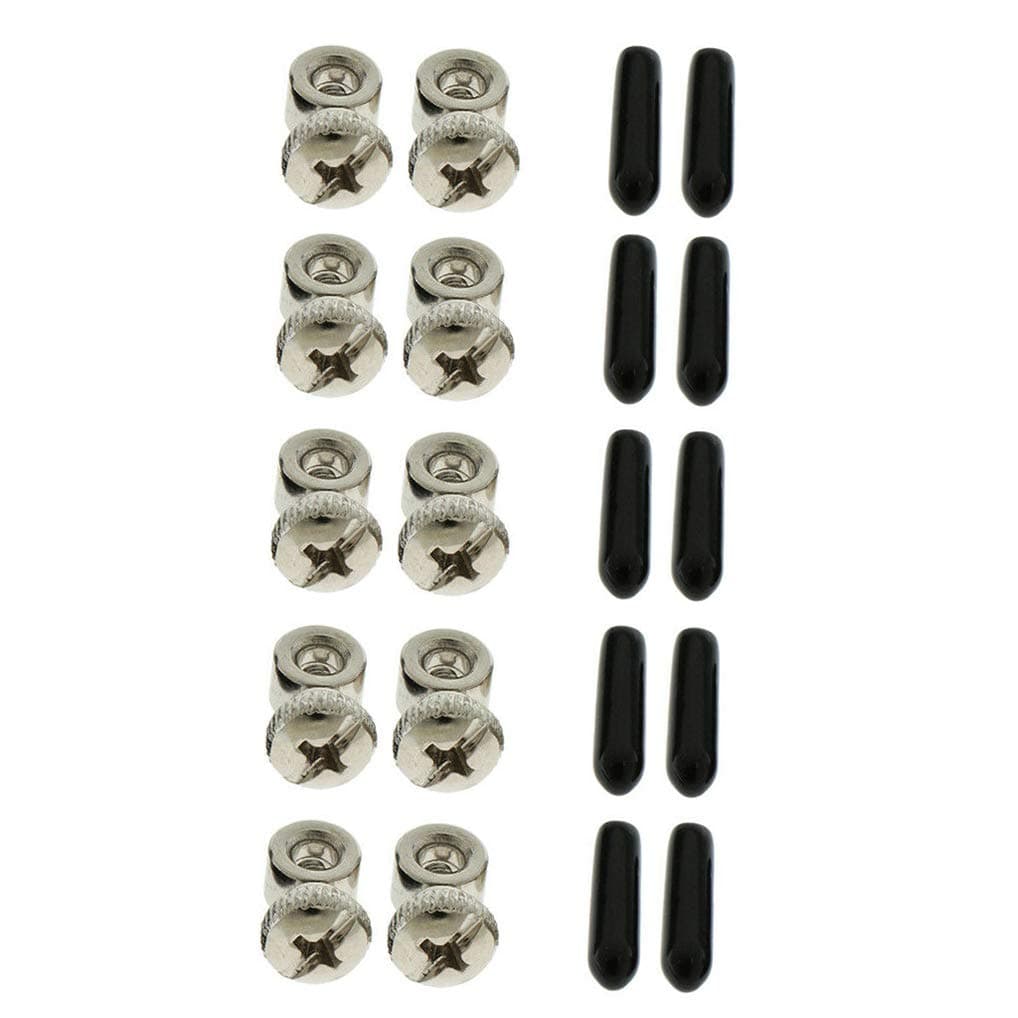
5 Sets Replacement Jump Rope Adjustable Screws End Caps for Speed Cable Jump Ropes Parts Accessory
- 5 Sets Replacement Adjustable Screws End Caps for Speed Cable Jump Ropes Parts Accessory
- Replacement speed jump rope cable adjustable screws and ends caps can adjust the rope length for most 2.5mm Diameter cable skipping ropes
- This adjustable screws allows you to adjust the rope length properly for your height