
Heavy Rope Warm-up for Strength Training
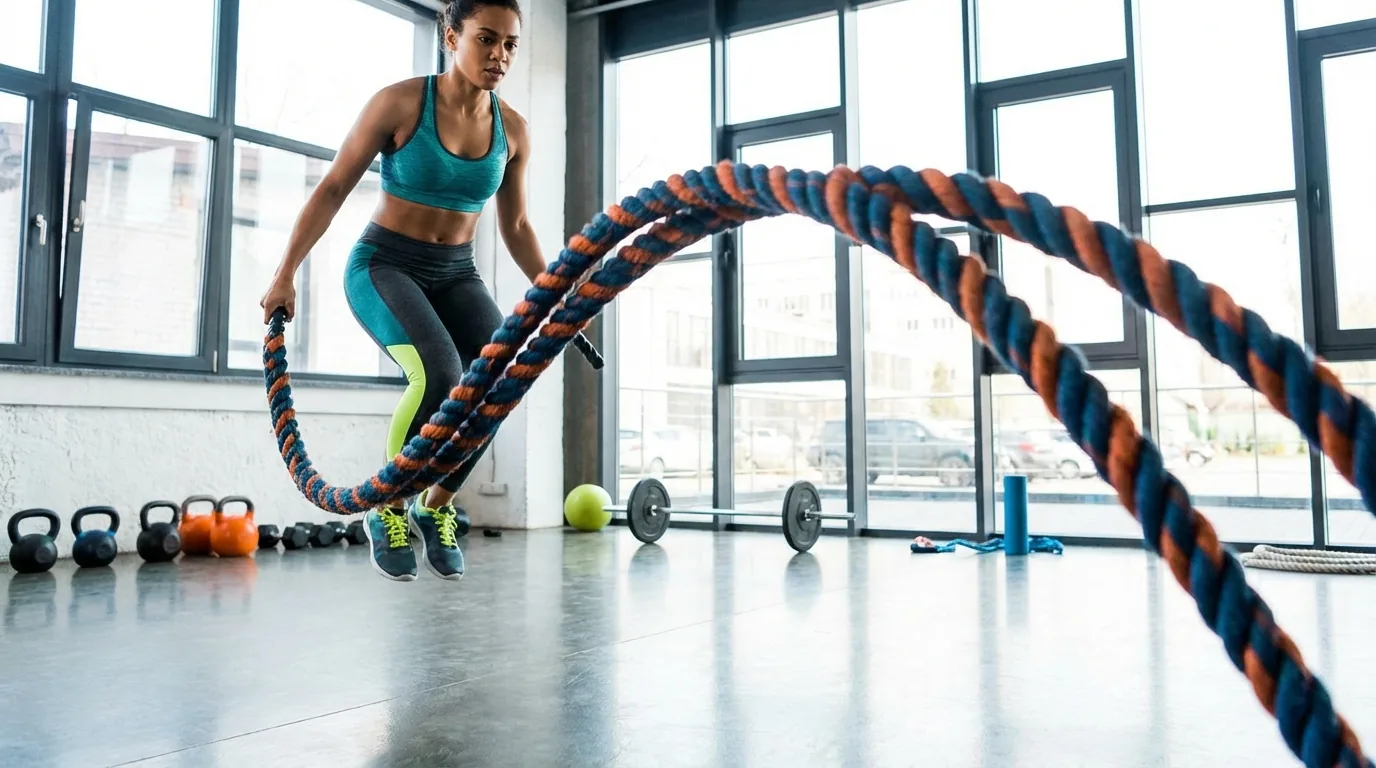
Table of Contents
- Why a Jump Rope Warm-up is the Gold Standard for Lifters
- Choosing Your Tool: Speed Ropes vs. Weighted Ropes
- The 10-Minute Heavy Rope Warm-up Protocol
- Targeted Activation: Preparing for Specific Lifts
- Common Mistakes to Avoid During Your Warm-up
- Frequently Asked Questions
Why a Jump Rope Warm-up is the Gold Standard for Lifters
Walking into the weight room and heading straight for the squat rack is a recipe for injury. Most lifters choose the treadmill for a five-minute stroll to "wake up," but this does very little to prepare the upper body or the central nervous system (CNS) for the rigors of heavy iron. A jump rope warm up is fundamentally different because it is a closed-kinetic chain exercise that demands total body synchronization. From the calves and quads to the forearms and deltoids, every major muscle group is firing to maintain the rhythm and timing required to clear the rope.
Beyond just "getting warm," jumping rope provides a unique stimulus to the CNS. Because jumping requires a high degree of coordination and proprioception, it forces the brain to communicate rapidly with the muscles. This "wakes up" the motor units you’ll need for explosive lifts like cleans, snatches, or even heavy deadlifts. When you use a rope, you aren't just increasing your heart rate; you are sharpening your mind-muscle connection, ensuring that when you get under the bar, your body is ready to recruit maximum force immediately.
Furthermore, jumping rope is unparalleled for joint health and mobility, specifically in the ankles and wrists. Strength training often puts immense pressure on these smaller joints. By performing a low-impact, rhythmic jumping session, you increase the production of synovial fluid, which lubricates the joints. This reduces the "creaky" feeling many lifters experience during their first few sets of squats or bench presses. The repetitive, light bouncing also primes the tendons and ligaments, particularly the Achilles, for the elastic loading they will face during a heavy leg session.
Choosing Your Tool: Speed Ropes vs. Weighted Ropes
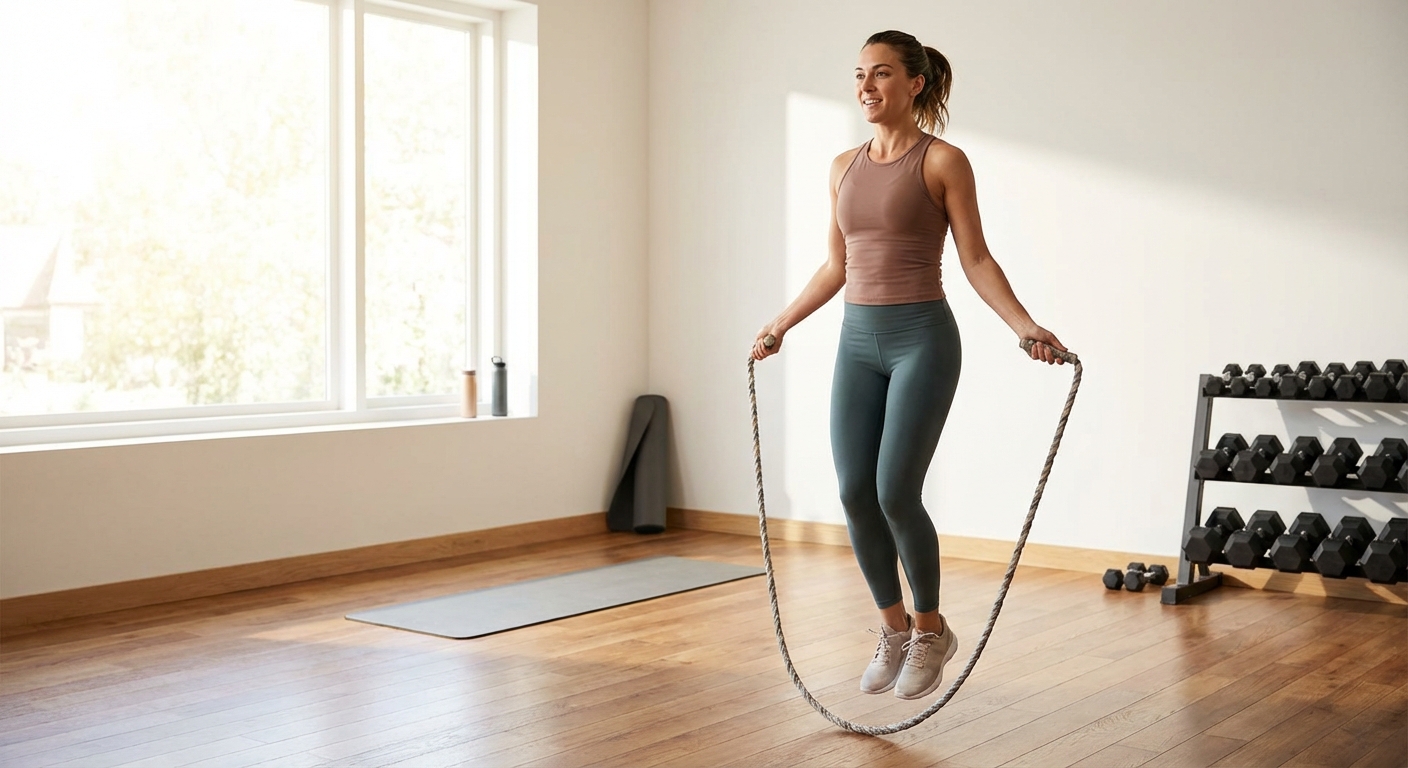
When selecting a tool for your jump rope warm up, the choice usually falls between a lightweight speed rope and a weighted heavy rope. Speed ropes, often made of thin wire, are designed for maximum revolutions per minute. These are excellent for cardiovascular conditioning and practicing double-unders. However, for a strength training warm-up, they can sometimes be too "light" to provide the necessary feedback to the shoulders and core. They require high levels of technical skill, which might be frustrating if you are just trying to get your blood flowing before a heavy session.
Weighted ropes, or "heavy ropes," offer a different set of benefits. The added resistance in the cable forces the stabilizer muscles in the shoulders and upper back to work harder to keep the rope moving. This is particularly beneficial on "Pull" or "Shoulder" days, as it acts as a form of dynamic activation for the rotator cuff. The heavier weight also slows down the rotation, providing more tactile feedback to the user. This makes it easier for beginners to find their rhythm and ensures that the heart rate rises quickly without needing to jump at a frantic pace.
Ultimately, the best warm-up often involves a hybrid approach. Starting with a slightly heavier rope to engage the muscles and then transitioning to a speed rope to "spike" the nervous system is a pro-level strategy. This ensures that you have both the muscular engagement and the neurological "zip" required for a high-intensity lifting session. Regardless of which you choose, the key is consistency and ensuring the rope is adjusted to your specific height to prevent tripping and maintain a steady flow.
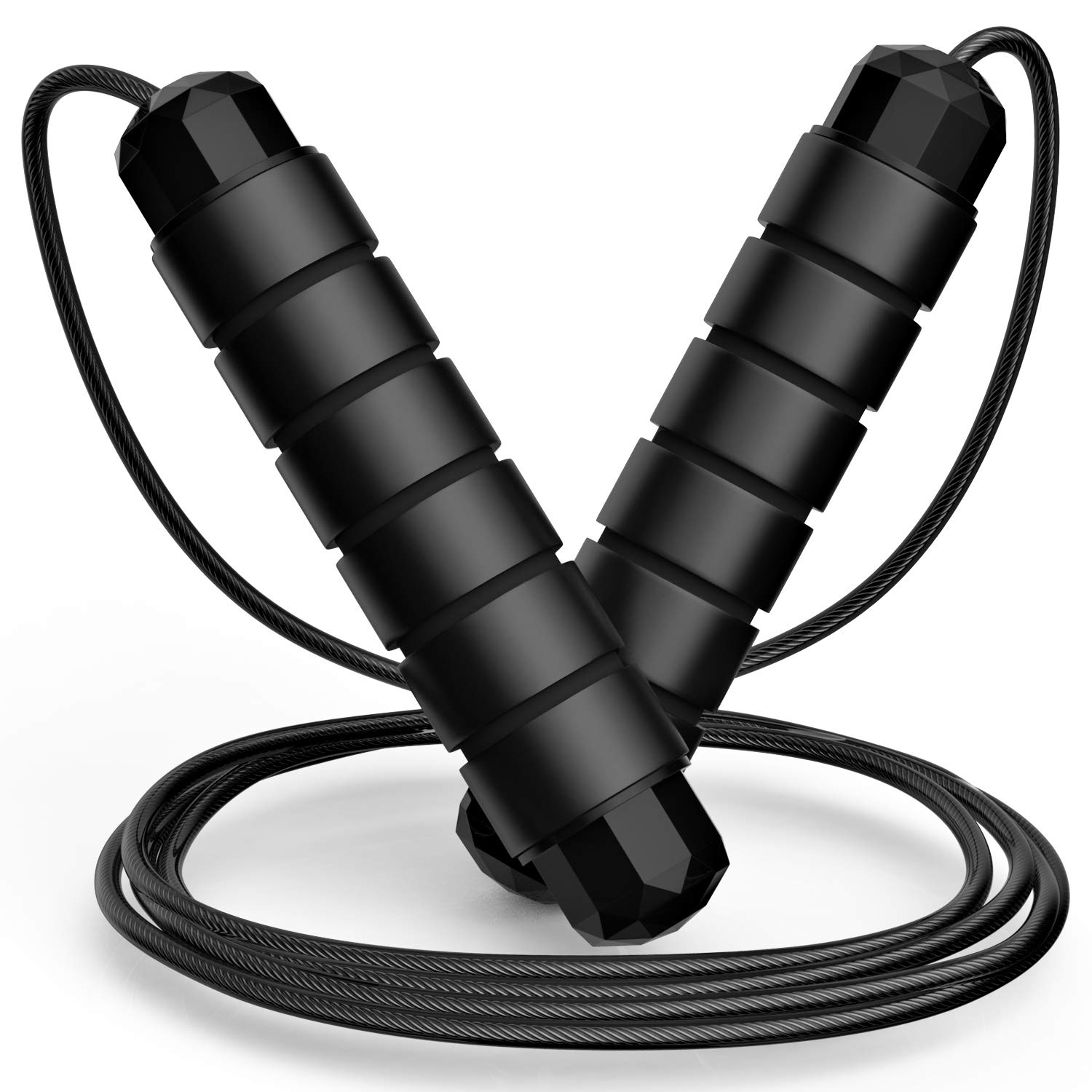
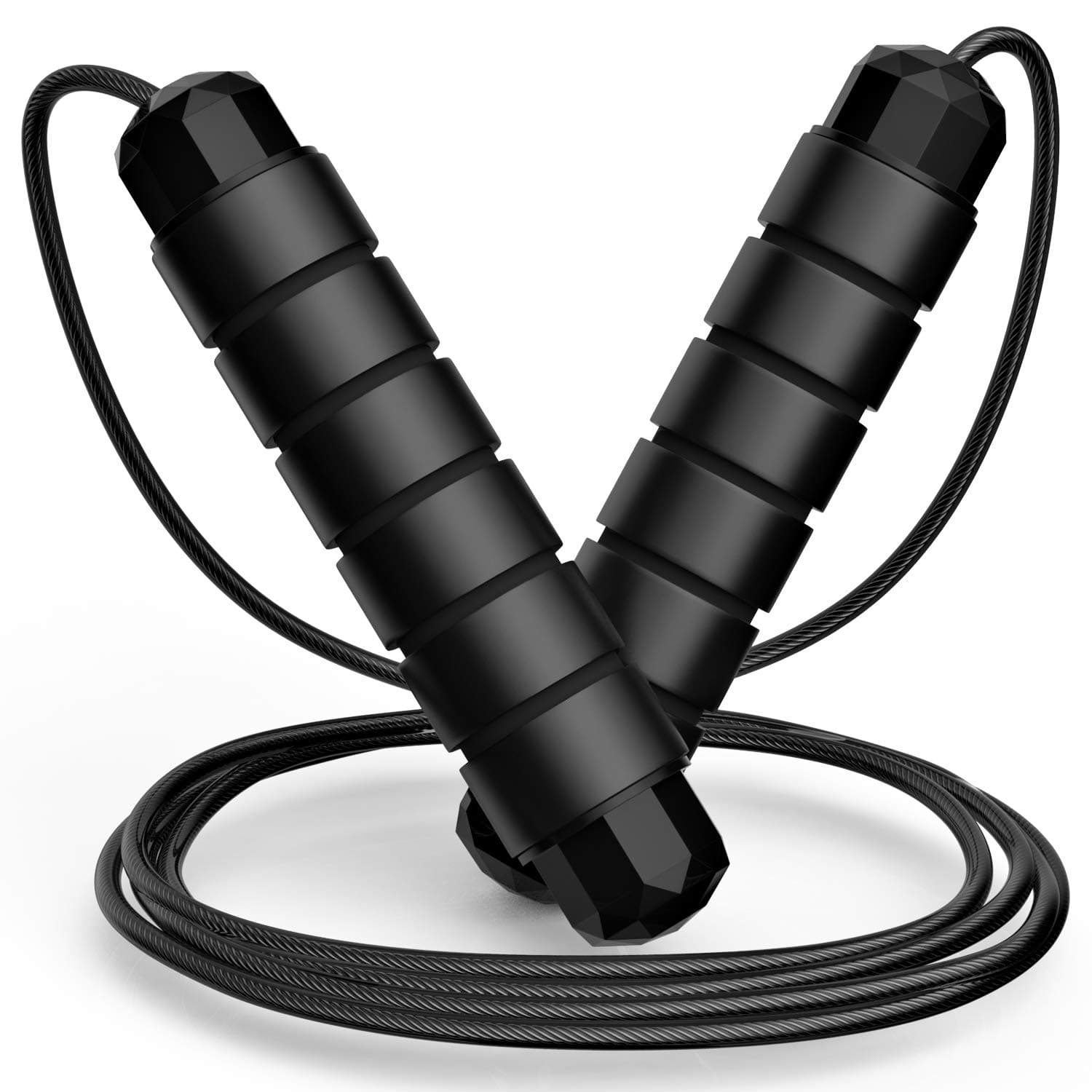
[Jump Rope, Tangle-Free Rapid Speed Jumping Rope Cable with Ball Bearings for Women, Men, and Kids, Adjustable Steel Jump Rope with Foam Handles for Home Gym Exercise Fitness Workout Equipment & Slim Body Black](https://www.amazon.com/dp/B09DF9NWC7?tag=swing-mass-20)
Rating: ⭐ 4.5/5 (22963 reviews)
Price: Check Website
- Durable & Adjustable Rope / / This jump rope is made of steel wires that are coated with strong PVC material, making it durable even after a long time exercising. Its adjustable length design enables you to customize the length according to your needs, making it suitable for everyone, no matter for kids or adults.
- Jump Fast, Jump Easily / / Built-in with high-quality ball bearings, the skipping rope provides you with comfortable jump exercises. It supports fast jumps while protecting you from any potential tangles, satisfying your needs for safety and convenience at the same time.
- Ergonomic Foam Handles / / The ergonomic handles are well designed for your safety and convenience: they are covered with soft sponges, which makes the handles comfortable to hold. And the non-slip & moisture-wicking features also keep your palms dry, making your every exercise comfortable and safe!
I highly recommend this Tangle-Free Rapid Speed Rope as the "Top Pick" for anyone looking to integrate jumping into their lifting routine. Its primary strength lies in its versatility; while it is light enough for speed work, the PVC-coated steel cable provides enough "heft" to feel the rope's arc, making it a perfect middle-ground for warm-ups. The built-in ball bearings are exceptionally smooth, preventing the stuttering or catching that often plagues cheaper ropes during slow-to-fast transitions.
This rope is best for the "everyday athlete" who needs a reliable, durable tool that can survive being tossed in a gym bag. The foam handles are a standout feature, as they provide a secure grip even when your hands start to sweat during a high-intensity interval. One minor drawback is that because it uses a steel core, it can be unforgiving if it hits bare skin, so wearing socks or leggings is advised. Compared to more expensive "heavy-only" ropes, this offers a much better balance of speed and feedback for a fraction of the cost.
The 10-Minute Heavy Rope Warm-up Protocol
A successful jump rope warm up should be structured to gradually increase intensity. Start with two minutes of "The Slow Burn." During this phase, focus on basic bounces with a heavy rope. Your goal isn't speed; it's consistency. Keep your elbows tucked into your ribs and use your wrists to drive the rope. This phase is designed to slowly elevate your core temperature and begin the process of lubricating your joints. You should feel a light glow of sweat by the end of these two minutes, but you shouldn't be out of breath.
The second phase is "Dynamic Intervals," lasting five minutes. Here, you should incorporate different footwork patterns to engage different muscle groups. Try alternating between "boxer skips," high knees, and butt kicks. These movements mimic the dynamic nature of lifting and sports, forcing your core to stabilize against the shifting center of gravity. Spend 45 seconds on a specific footwork pattern, followed by 15 seconds of rest. This interval style keeps the heart rate in a "priming" zone—high enough to be ready for work, but low enough that you aren't dipping into your anaerobic reserves before you even touch a barbell.
The final three minutes are the "CNS Spike." This is where you increase the intensity to match the effort of your first heavy set. Perform short bursts of double-unders or high-speed "sprints" for 20 seconds, followed by 40 seconds of very slow jumping. These bursts tell your nervous system that it’s time to recruit fast-twitch muscle fibers. By the time you finish this 10-minute protocol, your body is physiologically and neurologically prepared to handle heavy loads, and your focus will be significantly sharper than if you had simply walked on a treadmill.
Targeted Activation: Preparing for Specific Lifts
Upper Body Days (Bench/Overhead Press)
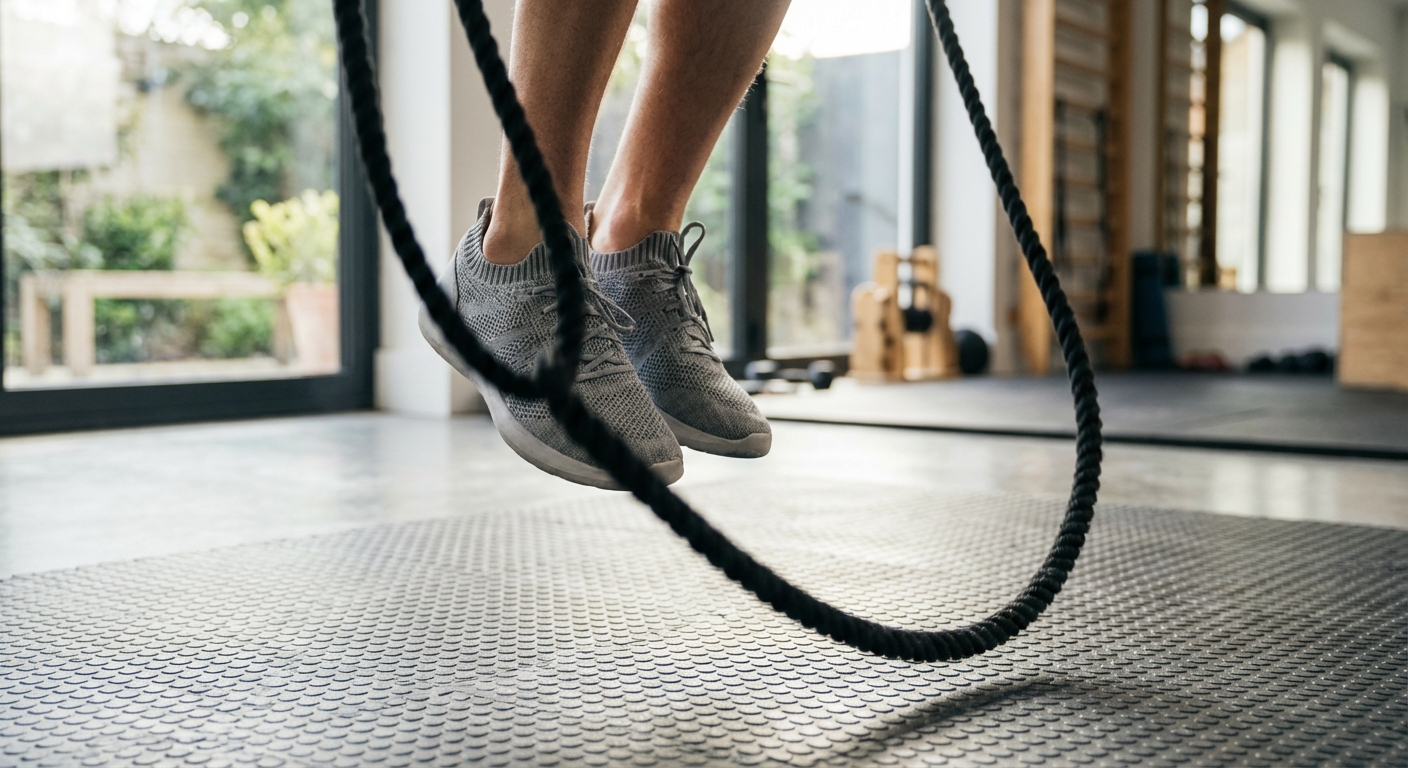
When preparing for an upper-body dominant session, your jump rope warm up should emphasize shoulder and wrist stability. The repetitive circular motion of the rope acts as a dynamic "face pull," engaging the rear delts and the rhomboids. This is crucial for creating a stable "shelf" for the bench press or protecting the shoulder joint during an overhead press. Using a rope with slightly heavier handles or a thicker cable can increase this effect, forcing the rotator cuff to work harder to stabilize the humerus within the socket.
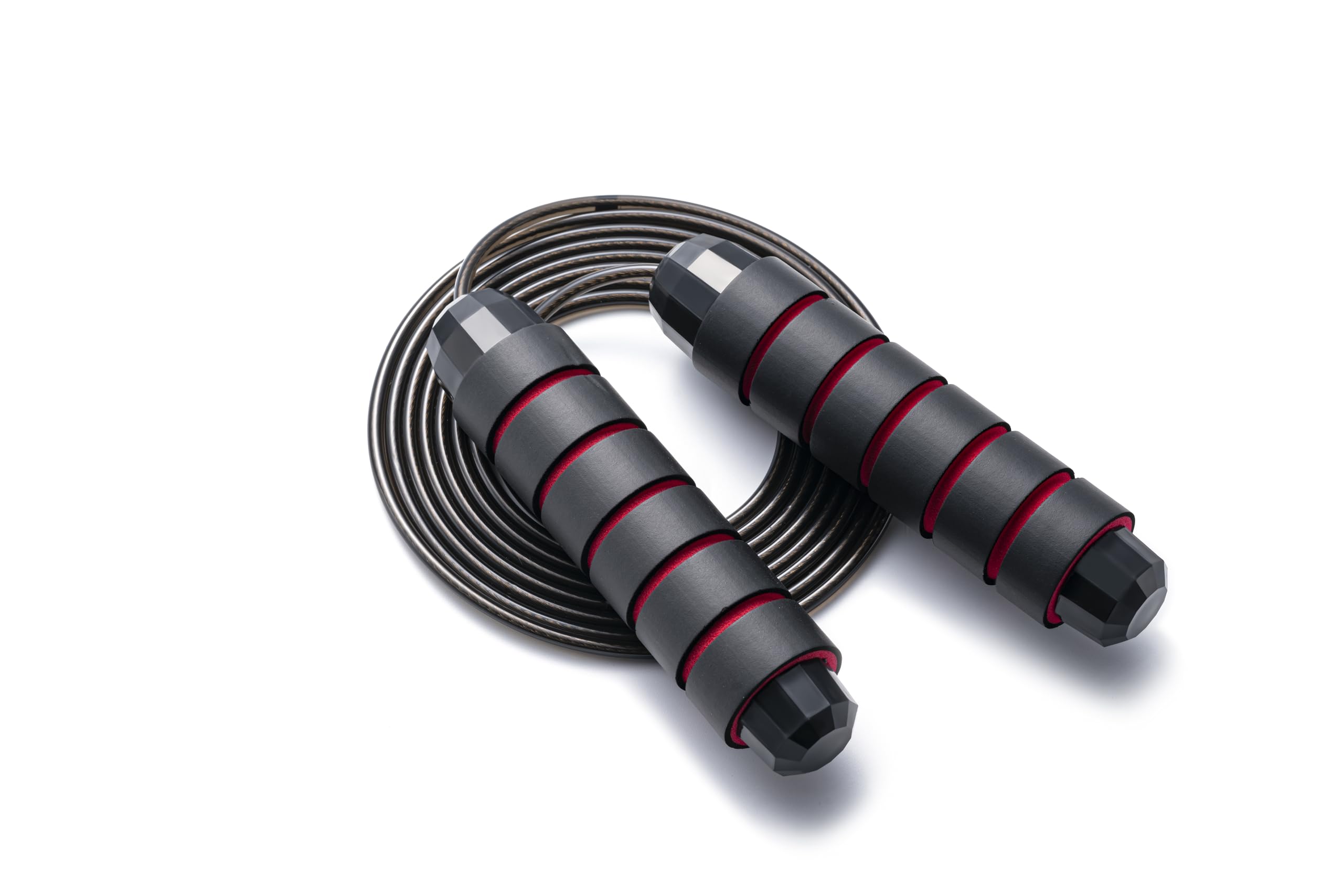
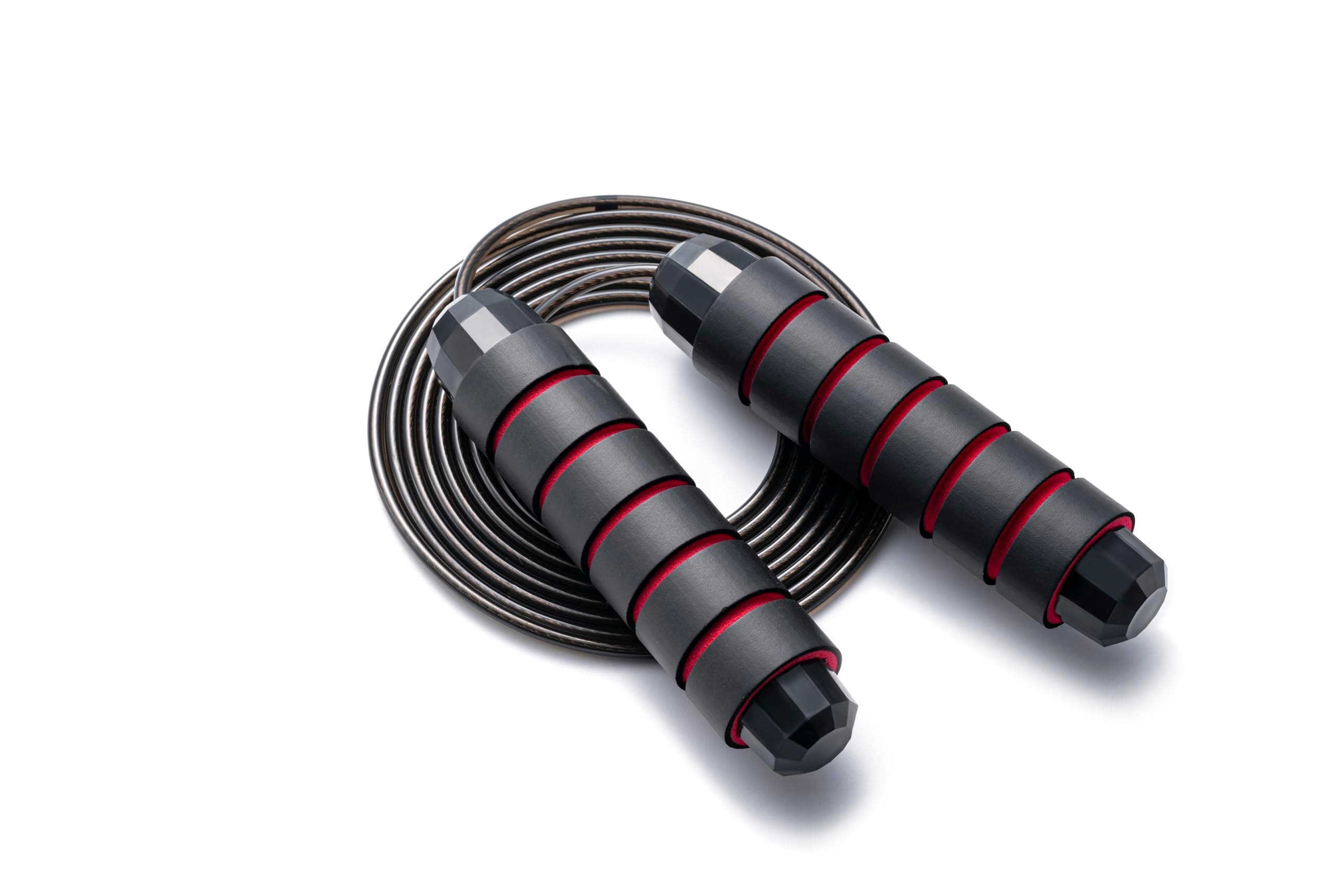
[BOOMIBOO Jump Rope, Adjustable Jump Ropes,Skipping Rope Tangle-Free Rapid Speed with Ball Bearings for Women Men Kids,Exercise & Slim Body Jumprope at Home School Gym Red](https://www.amazon.com/dp/B0C2GWHBV3?tag=swing-mass-20)
Rating: ⭐ 4.5/5 (3707 reviews)
Price: Check Website
- 【Durable & Tangle-Free】 This jump rope is made of steel wires that are coated with strong PVC material, making it durable even after a long time exercising. Built-in with high-quality ball bearings. It avoids the twisting, winding or bending like other fitness ropes, it ensures a smooth and effortless spin making jump rope provides you with comfortable jump exercises。
- 【Adjustable Rope】The Jump rope design with 9.2 feet long of the rope. This jump rope's long enough to meet the skipping needs of adults or children, and you can be freely adjust to the length you suitable.When you determine the length of the rope skipping according to your needs, the excess rope needs to be cut off, otherwise It will not supports fast jumps and won't protecting you from any potential tangles.
- 【Comfortable Foam Handle】: Comfortable handle makes it easy to grasp and carry,and the non-slip & moisture-wicking features also keep your palms dry,which makes your hands feel comfortable and non-slip during skipping,instantly motivates your excersize goals, making your every exercise comfortable and safe!
The BOOMIBOO Jump Rope is an excellent choice for upper-body activation due to its consistent swing and tangle-free design. I recommend it for lifters who want a straightforward, no-nonsense rope that "just works." The 9.2-foot adjustable cable is long enough for tall athletes, and the ball-bearing system ensures that the resistance is constant throughout the rotation, which is vital for smooth shoulder priming.
This rope is best for beginners or those who prefer a slightly more traditional "skipping" feel. The standout feature is the moisture-wicking foam handle, which is essential if you plan on jumping between sets of heavy rows or presses where grip strength is already being taxed. A potential drawback is that the rope must be cut to size, which means you can't easily share it with a partner of a different height. However, for a personal gym bag staple, its reliability and smooth rotation make it a solid contender against higher-priced professional ropes.
Lower Body Days (Squats/Deadlifts)
For lower-body days, the focus shifts to the ankles, knees, and hips. Jumping rope is essentially a series of mini-plyometrics. This primes the "stretch-shortening cycle" of the muscles, which is exactly what happens at the bottom of a squat. By jumping, you are teaching your calves and Achilles tendons to absorb and redirect force efficiently. This can lead to a more "explosive" feeling out of the hole in a squat. Additionally, the core must remain braced to keep the torso upright during jumping, which serves as a great reminder for the bracing required during a heavy deadlift.
Common Mistakes to Avoid During Your Warm-up
The most common mistake lifters make during a jump rope warm up is treating it like a standalone cardio workout. If you finish your warm-up gasping for air and drenched in sweat, you have likely overdone it. The goal of a warm-up is to prepare you for the main event, not to fatigue you. If you find your heart rate is redlining, slow down the pace or increase the rest intervals. You want to feel energized and "bouncy," not depleted. Use a heart rate monitor if necessary to stay within 50-60% of your max during the initial phases.
Another frequent error is poor jumping mechanics, specifically landing on the heels. This sends a jarring shock through the shins and knees, which can lead to shin splints or joint pain over time—especially for heavier lifters. You should always land on the balls of your feet with a slight bend in the knees. This allows your muscles and tendons to act as natural shock absorbers. If you can hear a loud "thud" every time you land, you aren't being "quiet" enough with your feet. Focus on soft, silent landings to protect your joints for the heavy lifting to come.
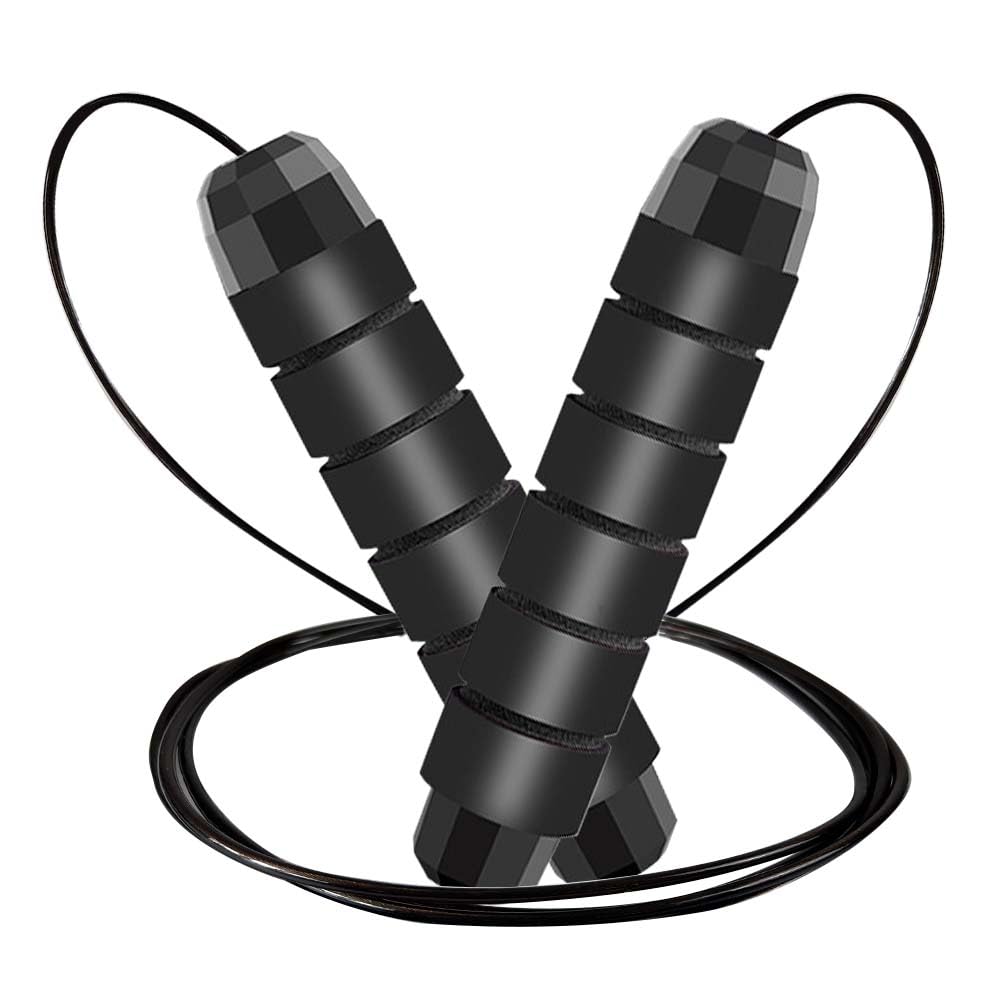
[Jump Rope, Adjustable Jump Ropes for Fitness for Women Men and Kids Tangle-Free Rapid Speed Jumping Rope Cable with Ball Bearings Exercise&Slim Body at Home School Gym Black](https://www.amazon.com/dp/B0FCFZVXJX?tag=swing-mass-20)
Rating: ⭐ 4.4/5 (108 reviews)
Price: Check Website
- EFFECTIVE FULL BODY EXERCISE:Skipping rope is a highly effective fat-burning exercise that enhances coordination, balance and agility. It mobilizes the muscles of the entire body, improves your sense of balance, agility and body coordination, as well as enhances muscle tone throughout the body .
- Smooth and Tangle-Free Spinning:Built-in high-quality ball bearings ensure that the rope spins smoothly, quickly and steadily, without twisting or bending. This allows you to jump with ease and enjoy a more enjoyable, non-stop workout experience, suitable for indoor or outdoor use, a practical and portable fitness tool.
- DURABLE PVC COATED WIRE:High-Strength steel wire coated with abrasion-resistant PVC makes the jump rope more durable and long-lasting. It prevents cracking or breaking even under high intensity and long time use.
I recommend this Adjustable Jump Rope for those who prioritize comfort and ergonomics. The memory foam handles are some of the most comfortable in the category, making it ideal for longer warm-up sessions or for lifters with larger hands who find thin handles fatiguing. The PVC-coated steel wire is standard but high-quality, offering the durability needed for concrete gym floors.
This product is best for the "utility" lifter—someone who wants a rope that can handle a variety of tasks from slow warm-ups to high-speed intervals. The standout feature is the ease of adjustability; the 9.8-foot length is generous and can be clipped down in seconds. A minor drawback is that the foam handles, while comfortable, can retain a bit more sweat than rubberized grips. Compared to the BOOMIBOO, this rope feels slightly more premium in the hand, making it a great choice for those who value the "feel" of their equipment as much as its performance.
FAQ
Q: How long should my jump rope warm-up last before lifting? A: For most strength athletes, a 5 to 10-minute session is the "sweet spot." Anything less than 5 minutes may not sufficiently raise your core temperature or lubricate your joints. Anything over 10 to 12 minutes starts to cross the line into a cardiovascular workout, which can deplete the glycogen stores you need for heavy sets of squats or presses. The goal is to reach a "light sweat" and feel a sense of mental alertness. If you are particularly cold or stiff, you can lean toward the 10-minute mark, but always listen to your body’s feedback.
In addition to time, focus on the "quality" of the minutes. Five minutes of focused, rhythmic jumping with varied footwork is far more effective than ten minutes of tripping over the rope or jumping with poor form. If you are a beginner, you might spend 10 minutes but only be "active" for 6 of those minutes due to trips. That is perfectly fine; as your skill increases, you can condense the warm-up into a more intense, shorter window.
Q: Can I jump rope if I have bad knees or ankles? A: Generally, yes, but with caveats. Jumping rope is actually a lower-impact activity than running if performed correctly. Because you are only jumping an inch or two off the ground and landing on the balls of your feet, the impact is distributed through the muscular system rather than the skeletal system. However, if you have acute injuries, you should consult a professional. To make it safer, always jump on a rubber gym mat or a wooden floor rather than concrete, and ensure you are wearing supportive cross-training shoes rather than flat-soled lifting shoes, which offer little cushioning.
If you experience pain, try "shadow jumping" first—mimicking the movement without the actual rope. This allows you to focus purely on the soft landing. You can also reduce the height of your jump. As your calves and the small muscles around your ankles get stronger from the jumping, you may actually find that your knee stability improves during your lifts, as the jump rope strengthens the supporting structures of the lower leg.
Q: Should I use a weighted rope or a speed rope for my warm-up? A: For strength training preparation, a weighted rope (between 0.5lb and 1lb) is often superior. The added weight provides more feedback, which helps you maintain rhythm and engages the upper body more effectively. It "primes" the shoulders and back, which is beneficial for almost every compound lift. Speed ropes are excellent for "spiking" the nervous system at the very end of a warm-up, but using them exclusively can sometimes lead to a "frantic" feeling rather than a "focused" one.
A great strategy is to use a "weighted-handle" rope. This gives you the shoulder engagement of a heavy rope while allowing the cable to spin fast enough to get your heart rate up. If you only have one rope, choose a medium-weight PVC rope (like the ones mentioned in this guide). They are versatile enough to handle slow, rhythmic jumping for mobility and fast, double-under style jumping for neurological priming.
Q: Is it okay to jump rope between my lifting sets? A: This is known as "active recovery," and while it can be effective for fat loss or "metabolic conditioning," it is generally not recommended if your primary goal is maximal strength or hypertrophy. Jumping between sets keeps your heart rate high and prevents your ATP-CP (adenosine triphosphate-creatine phosphate) system from fully recovering. This means you will likely lift less weight or perform fewer reps on your subsequent sets.
However, if you are in a "deload" phase or doing a circuit-style workout where the goal is general fitness, jumping rope for 30 seconds between sets can be a great way to keep the intensity high. Just be aware of the trade-off: you are sacrificing some strength potential for increased caloric burn and cardiovascular endurance. For a dedicated strength session, keep the jumping to the warm-up and perhaps a "finisher" at the end.
Q: What is the best surface to jump on for a warm-up? A: The surface you jump on is just as important as the rope itself. You should avoid jumping on concrete or asphalt whenever possible; these surfaces have zero "give" and will rapidly wear down your rope’s coating while stressing your joints. The ideal surface is a specialized jump rope mat or a standard rubber gym floor. These provide a slight rebound that assists your jump and cushions your landing.
If you are at a commercial gym, the "group X" or aerobics room usually has a sprung wood floor, which is also an excellent surface for jumping. If you must jump at home on a hard surface, lay down a thin yoga mat, though be careful as some yoga mats can be "grippy" and cause the rope to catch. A dedicated high-density PVC mat is the best investment for a long-term jump rope practice, as it protects both your body and your equipment.
Our Top Picks for 2026
We've spent hours researching and testing to find the absolute best options currently available.
Jump Rope, Tangle-Free Rapid Speed Jumping Rope Cable with Ball Bearings for Women, Men, and Kids, Adjustable Steel Jump Rope with Foam Handles for Home Gym Exercise Fitness Workout Equipment & Slim Body Black
- Durable & Adjustable Rope / / This jump rope is made of steel wires that are coated with strong PVC material, making it durable even after a long time exercising. Its adjustable length design enables you to customize the length according to your needs, making it suitable for everyone, no matter for kids or adults.
- Jump Fast, Jump Easily / / Built-in with high-quality ball bearings, the skipping rope provides you with comfortable jump exercises. It supports fast jumps while protecting you from any potential tangles, satisfying your needs for safety and convenience at the same time.
- Ergonomic Foam Handles / / The ergonomic handles are well designed for your safety and convenience: they are covered with soft sponges, which makes the handles comfortable to hold. And the non-slip & moisture-wicking features also keep your palms dry, making your every exercise comfortable and safe!
BOOMIBOO Jump Rope, Adjustable Jump Ropes,Skipping Rope Tangle-Free Rapid Speed with Ball Bearings for Women Men Kids,Exercise & Slim Body Jumprope at Home School Gym Red
- 【Durable & Tangle-Free】 This jump rope is made of steel wires that are coated with strong PVC material, making it durable even after a long time exercising. Built-in with high-quality ball bearings. It avoids the twisting, winding or bending like other fitness ropes, it ensures a smooth and effortless spin making jump rope provides you with comfortable jump exercises。
- 【Adjustable Rope】The Jump rope design with 9.2 feet long of the rope. This jump rope's long enough to meet the skipping needs of adults or children, and you can be freely adjust to the length you suitable.When you determine the length of the rope skipping according to your needs, the excess rope needs to be cut off, otherwise It will not supports fast jumps and won't protecting you from any potential tangles.
- 【Comfortable Foam Handle】: Comfortable handle makes it easy to grasp and carry,and the non-slip & moisture-wicking features also keep your palms dry,which makes your hands feel comfortable and non-slip during skipping,instantly motivates your excersize goals, making your every exercise comfortable and safe!
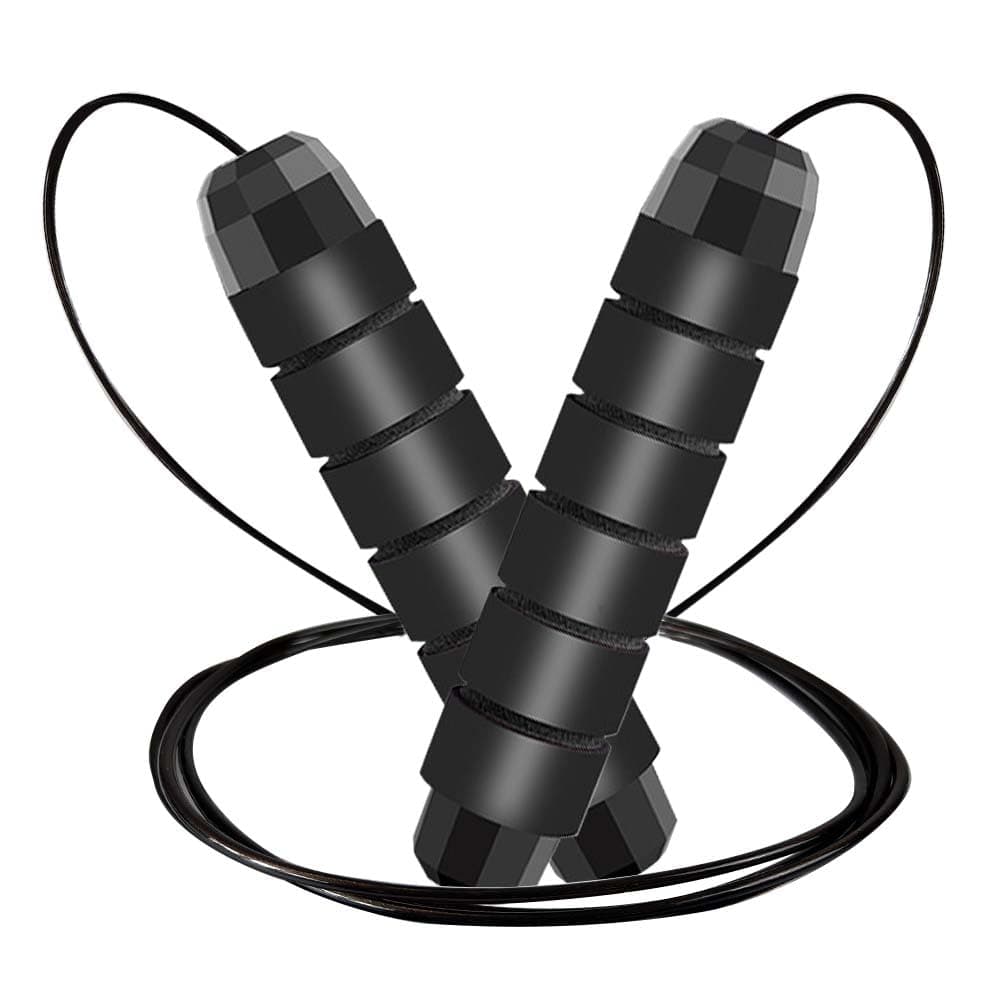
Jump Rope, Adjustable Jump Ropes for Fitness for Women Men and Kids Tangle-Free Rapid Speed Jumping Rope Cable with Ball Bearings Exercise&Slim Body at Home School Gym Black
- EFFECTIVE FULL BODY EXERCISE:Skipping rope is a highly effective fat-burning exercise that enhances coordination, balance and agility. It mobilizes the muscles of the entire body, improves your sense of balance, agility and body coordination, as well as enhances muscle tone throughout the body .
- Smooth and Tangle-Free Spinning:Built-in high-quality ball bearings ensure that the rope spins smoothly, quickly and steadily, without twisting or bending. This allows you to jump with ease and enjoy a more enjoyable, non-stop workout experience, suitable for indoor or outdoor use, a practical and portable fitness tool.
- DURABLE PVC COATED WIRE:High-Strength steel wire coated with abrasion-resistant PVC makes the jump rope more durable and long-lasting. It prevents cracking or breaking even under high intensity and long time use.