
How to Fix Wrist Pain from Heavy Ropes

How to Fix Wrist Pain from Heavy Ropes
Transitioning from a standard speed rope to a weighted jump rope is one of the most effective ways to skyrocket your caloric burn and build upper body strength. However, many jumpers soon encounter a frustrating roadblock: jump rope wrist pain. Unlike lightweight ropes that require minimal effort to rotate, heavy ropes—ranging from 0.5 lbs to 3 lbs or more—exert significant centrifugal force on the small joints and tendons of the wrist. If your mechanics aren't perfect, or if you’ve scaled up too quickly, that satisfying "thump" of the rope can quickly turn into a sharp ache.
Understanding how to fix wrist pain from heavy ropes is essential for anyone serious about "SwingMass" style training. This pain isn't just an annoyance; it’s a signal that your kinetic chain is breaking down. When your wrists take the brunt of the weight, you lose the ability to maintain high-intensity intervals, and you risk long-term injuries like tendonitis or carpal tunnel syndrome. The good news is that with the right adjustments to your form, a smarter approach to equipment, and specific strengthening exercises, you can eliminate the pain and get back to swinging heavy.
In this guide, we will dive deep into the mechanics of why heavy ropes cause strain, how to adjust your grip and arm positioning to offload the pressure, and which tools can help you transition safely. Whether you are a seasoned athlete or a beginner just picking up a weighted rope, these strategies will help you build "bulletproof" wrists that can handle any load.
Table of Contents
- Understanding the Mechanics of Heavy Rope Strain
- Correcting Your Form: The "Wrist Flick" vs. The "Arm Swing"
- Choosing Equipment to Mitigate Joint Stress
- Strengthening and Mobility Exercises for Jumpers
- Strategic Recovery and Progression Protocols
- Common Mistakes That Lead to Wrist Injury
- Frequently Asked Questions
Understanding the Mechanics of Heavy Rope Strain
When you jump with a heavy rope, you aren't just moving a piece of PVC; you are managing a rotating mass that generates massive amounts of torque. As the rope reaches the bottom of its arc, the centrifugal force pulls outward, and your wrists are the primary pivot point responsible for redirected that energy. If your wrists are weak or your grip is too tight, this force creates a "shearing" effect on the tendons. Most jump rope wrist pain occurs because the small muscles in the forearm are being asked to stabilize a load they aren't yet conditioned to handle.
The physics of a heavy rope are unforgiving. A 1lb rope can feel like 5lbs of force at the peak of its rotation speed. If your hands are positioned too far from your body, the "lever arm" increases, which multiplies the stress on your wrist joints. This is why many beginners feel a sharp pain on the pinky side of the wrist (the ulnar side) or deep in the joint. It is often the result of the wrist being forced into an unnatural angle while trying to overcome the inertia of the heavy cable.
Furthermore, many jumpers suffer from "grip fatigue" which leads to compensatory movements. When your forearms tire out from squeezing the handles, you might start using your wrists in a "chopping" motion rather than a smooth rotation. This repetitive, jerky movement causes micro-trauma to the connective tissues. To fix this, you must understand that heavy rope training is as much about grip management and forearm endurance as it is about cardiovascular capacity.
Correcting Your Form: The "Wrist Flick" vs. The "Arm Swing"
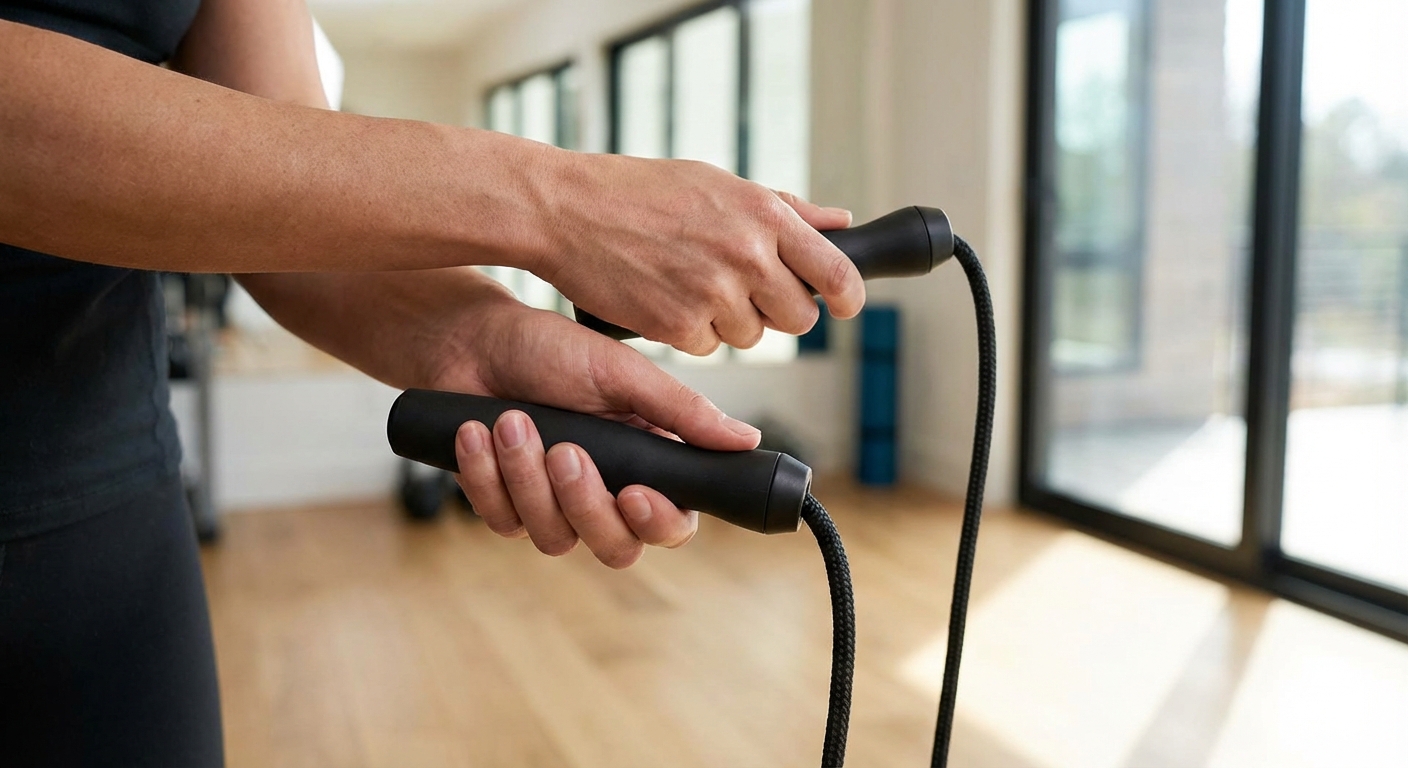
The most common cause of jump rope wrist pain is "over-wristing" the rope. With a light speed rope, you can get away with using almost exclusively your wrists to generate speed. However, with heavy ropes, your wrists should actually be relatively stable, acting as a conduit for power generated by the forearms and shoulders. You want to move away from a "flicking" motion and toward a "rotational" motion where the forearms do the heavy lifting. Your wrists should remain in a neutral, "handshake" position rather than bending excessively up and down or side to side.
Hand placement is the second pillar of pain-free jumping. Your hands should be located just above your hip bones and slightly in front of your mid-line. If your hands drift too far out to the sides (the "airplane" arms mistake), you create a massive amount of leverage that pulls on the wrist joint. By keeping your elbows tucked close to your ribs, you allow the larger muscles of the upper body to help stabilize the rope's path. This "closed" position significantly reduces the torque applied directly to the carpal bones.
Finally, you must master the "relaxed grip." It sounds counterintuitive when swinging a heavy weight, but "death-gripping" the handles is a fast track to tendonitis. You should hold the handles firmly enough that they don't fly out of your hands, but loosely enough that you can feel the rope's momentum. Think of your hands as hooks. A relaxed grip allows the ball bearings in the handles to do their job, ensuring a smooth rotation that doesn't jar the wrist every time the rope hits the floor.
Choosing Equipment to Mitigate Joint Stress
Not all ropes are created equal when it comes to joint health. If you are experiencing persistent pain, it may be time to look at the handles and the weight distribution of your current setup. High-quality ball bearings are non-negotiable for heavy ropes. If the rope doesn't spin freely within the handle, your wrist has to "force" the rotation, leading to the jerky movements that cause injury. A smooth-spinning rope allows for a consistent rhythm, which is much easier on the tendons.
For those struggling with pain, it is often wise to "deload" by using a high-quality standard rope to refine form before returning to the heavy hitters.
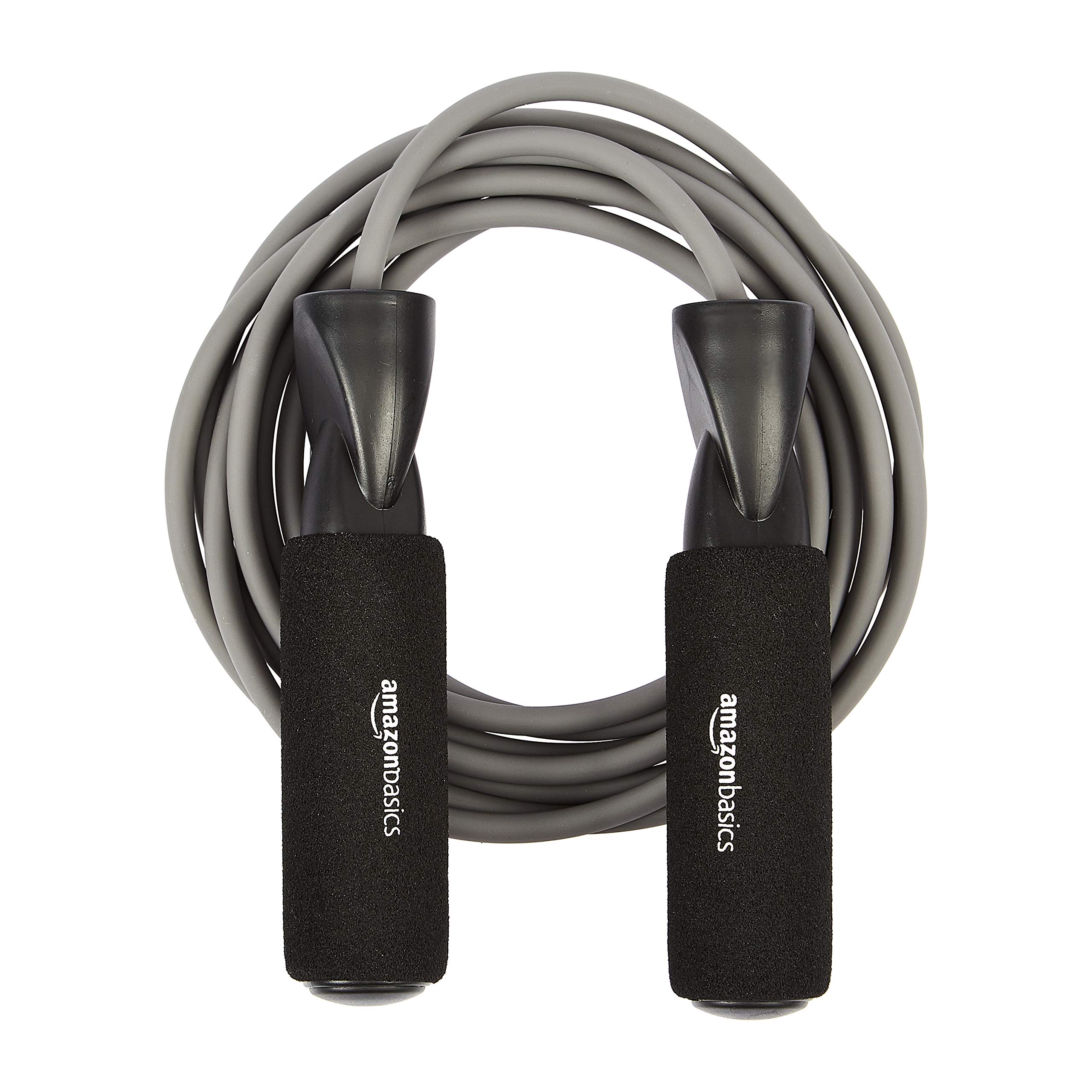
[Amazon Basics Jump Rope Grey](https://www.amazon.com/dp/B07TCNBG5Y?tag=swing-mass-20)
Rating: ⭐ 4.5/5 (15912 reviews)
Price: Check Website
- Standard jump rope for quickly integrating high-intensity cardio training into any workout
- Increases the heart rate, burns calories, enhances coordination, and tones legs, glutes, shoulders, arms, and core
- Length can be easily adjusted to accommodate different users
I highly recommend the Amazon Basics Jump Rope for anyone who needs to take a step back and fix their mechanics. When you are dealing with jump rope wrist pain, continuing to swing a 2lb rope will only worsen the inflammation. This rope is the perfect "rehab" tool because it features high-quality ball bearings and comfortable NBR foam handles. The foam provides a slightly wider grip surface, which can be easier on the hands than thin, hard plastic handles.
This rope is best for intermediate jumpers who need to focus on high-volume "form sessions" without the joint-crushing weight of a heavy cable. The adjustable PVC cord allows you to get the length exactly right—which is crucial, as a rope that is too long or too short will force your wrists into awkward angles. The main drawback is that it’s a lightweight rope, so you won't get the same muscle activation as a heavy rope, but as a tool for perfecting your "wrist flick," it is unbeatable for the price.
Strengthening and Mobility Exercises for Jumpers
To truly fix jump rope wrist pain, you must build a foundation of strength and flexibility. Most people have "office wrists"—they are tight from typing and have very little lateral strength. To combat this, you should incorporate eccentric wrist strengtheners. One of the best exercises is the "Wrist Roller" or simple weighted wrist curls. By slowly lowering a weight and then curling it back up, you strengthen the tendons and prepare them for the repetitive loading of the jump rope.
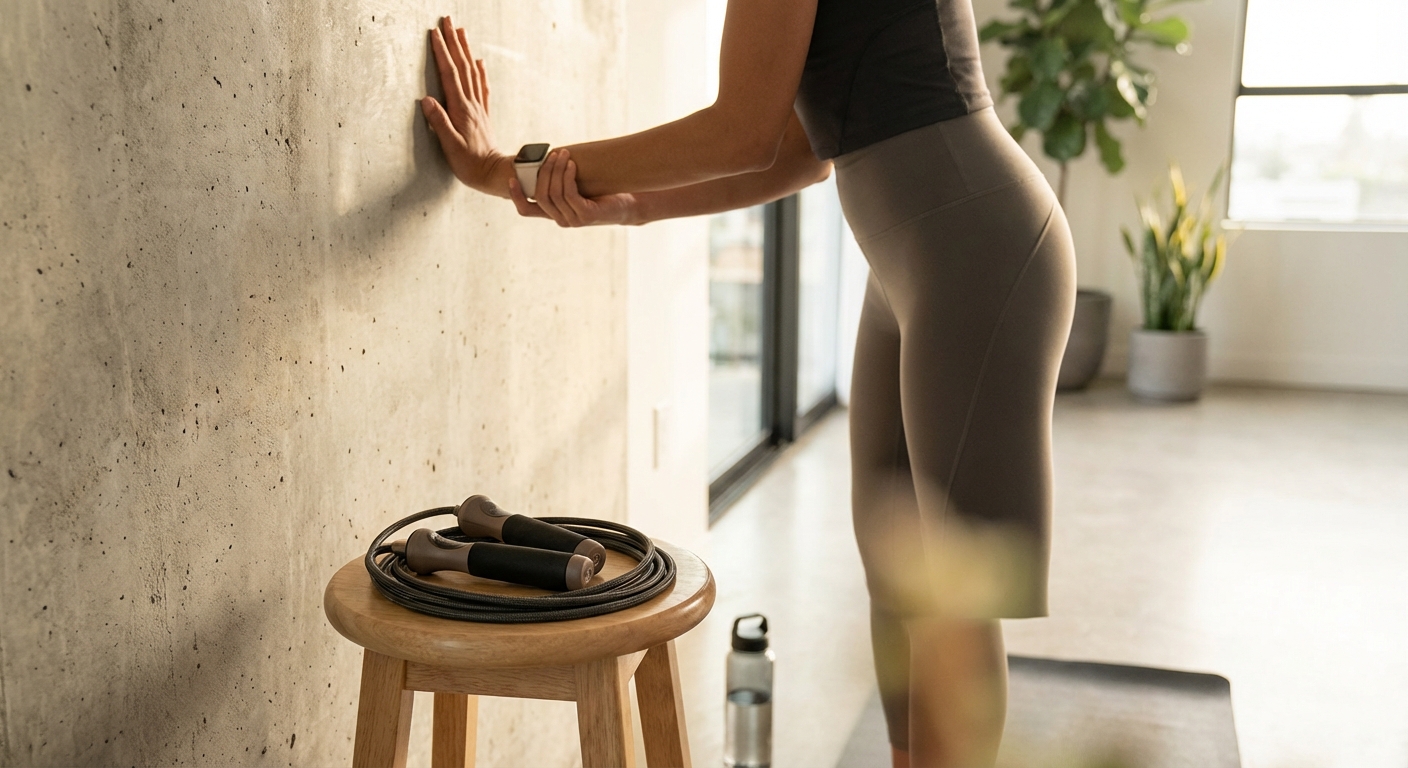
Mobility is just as important as strength. Before every session, you should perform "dynamic wrist circles" and the "prayer stretch." To do the prayer stretch, place your palms together in front of your chest and slowly lower them toward your waist until you feel a stretch in the undersides of your forearms. Hold for 30 seconds. This opens up the carpal tunnel area and ensures that your nerves aren't being pinched during your workout.
Another secret weapon for heavy rope jumpers is the "Farmer’s Carry." Simply holding heavy dumbbells and walking for distance builds incredible isometric grip strength. When your grip is strong, you don't have to squeeze the jump rope handles as hard to maintain control. This reduces the overall tension in the forearm and allows the wrist to move more fluidly. Aim for 3 sets of 40-meter carries twice a week to see a massive difference in your rope control.
Strategic Recovery and Progression Protocols
If you are already in pain, the most important thing you can do is rest. Tendon injuries do not respond well to "powering through." Use the RICE method (Rest, Ice, Compression, Elevation) for the first 48 hours of acute pain. Once the sharp pain subsides, you shouldn't jump right back into 30-minute heavy rope sessions. Instead, use a "ladder" approach to reintroduce weight. Start with a light rope for a week, then move to a medium weight, and only return to the heavy rope once you are 100% pain-free.
During your recovery phase, you can maintain your cardio by using a rope that offers a different tactile experience.
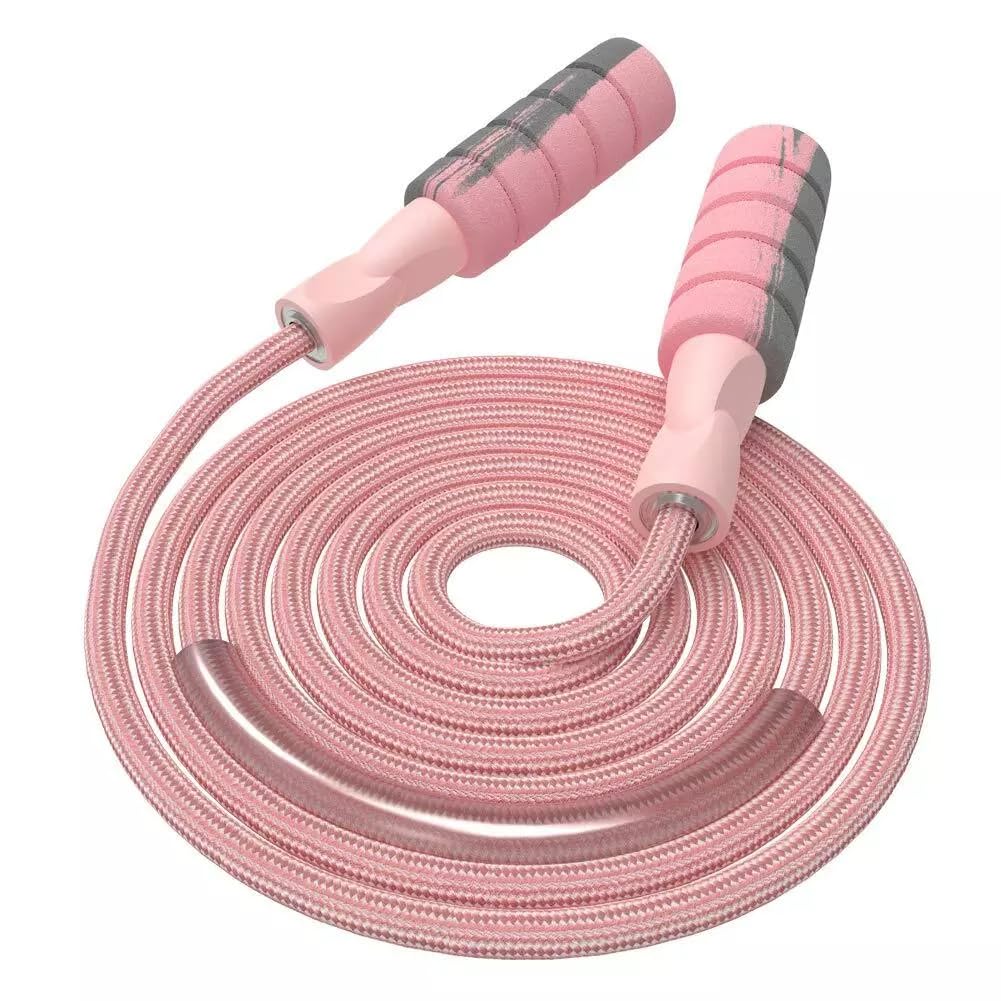
[FITMYFAVO Jump Rope Cotton Adjustable Skipping Weighted jumprope for Women,Adult and Children Athletic Fitness Exercise Jumping Rope (Pink)](https://www.amazon.com/dp/B08ZCV443V?tag=swing-mass-20)
Rating: ⭐ 4.4/5 (5370 reviews)
Price: Check Website
- 100% Nylon
- Durable/High-quality Materials:The jump rope is made of cotton, the bottom has a protective cover to keep the rope from being damaged as it hits the ground,can be used indoors and outdoors.
- Foam Handle: Comfortable handle makes it easy to grasp and carry, which makes your hands feel comfortable and non-slip during skipping,instantly motivates your excersize goals
The FITMYFAVO Cotton Jump Rope is an excellent choice for the "transition" or "recovery" phase. Because the rope is made of cotton and nylon rather than heavy PVC or steel, it has a much "softer" feel when it rotates. It still provides some weight (0.485 lbs), making it a "light-weighted" rope, but it doesn't have the harsh, jarring feedback of a heavy cable. This is perfect for jumpers who want to keep their "SwingMass" rhythm without the high-impact stress on their joints.
This rope is best for women or men with smaller hands, as the foam handles are ergonomically designed for comfort. The standout feature is the protective cover on the bottom of the rope, which adds a bit of weight and durability. The drawback is that cotton ropes can be slower than PVC, and they may fray if used on rough concrete without a mat. However, for indoor "form-fix" sessions, it's a fantastic, low-impact alternative.
Common Mistakes That Lead to Wrist Injury
One of the biggest mistakes is jumping on the wrong surface. If you jump on concrete, every time the rope hits the ground, a vibration travels up the cable and into your wrists. This is known as "micro-trauma." Always use a rubber jump rope mat or jump on a gym floor. The mat absorbs the impact of the rope, which significantly reduces the "shock" felt by your wrist joints. It also extends the life of your ropes, making it a win-win for your body and your wallet.
Another mistake is neglecting your "active recovery" days. You shouldn't use heavy ropes every single day. The connective tissues in your wrists take longer to recover than your muscles. By alternating heavy rope days with "speed" days, you give your tendons time to remodel and grow stronger.
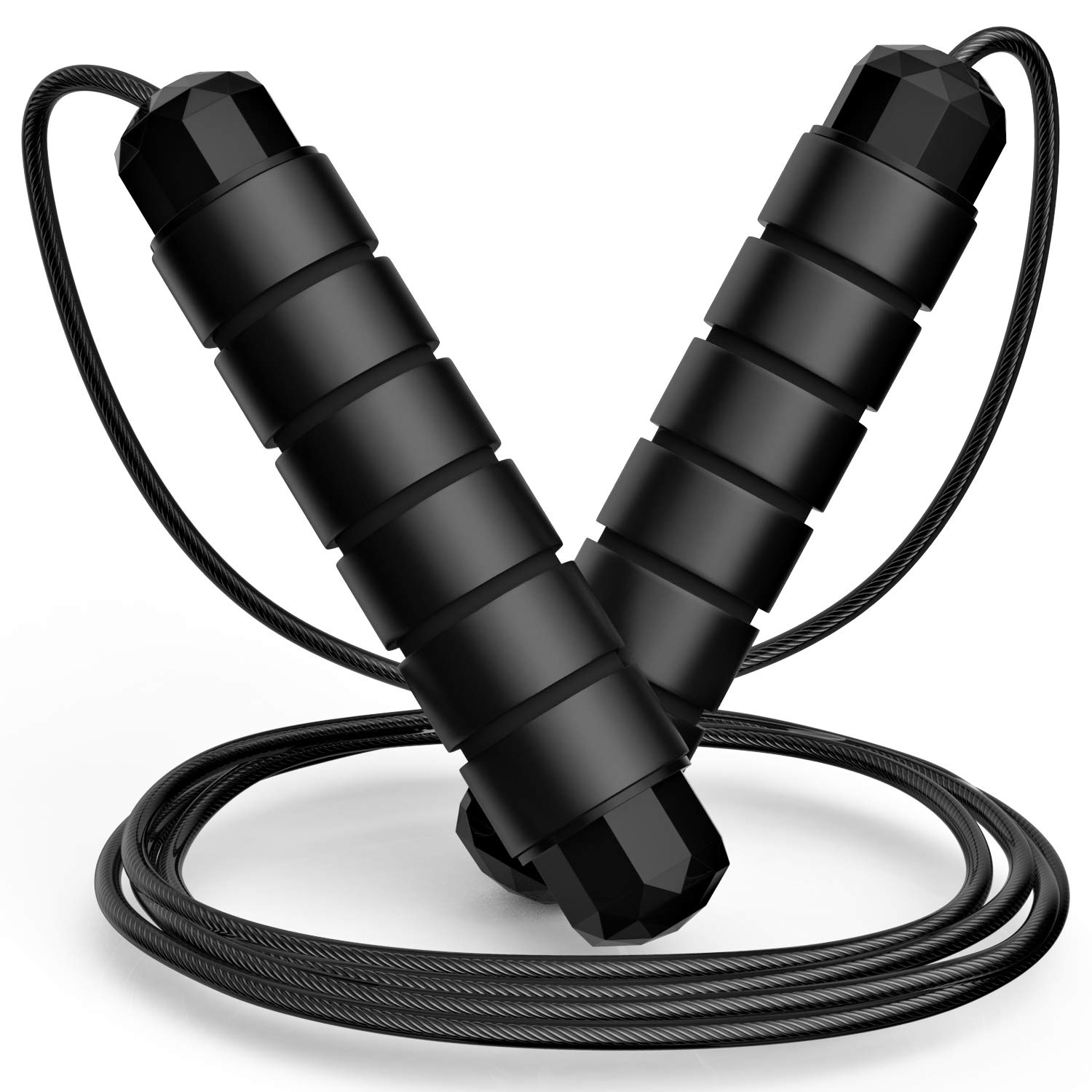
[Jump Rope, Tangle-Free Rapid Speed Jumping Rope Cable with Ball Bearings for Women, Men, and Kids, Adjustable Steel Jump Rope with Foam Handles for Home Gym Exercise Fitness Workout Equipment & Slim Body Black](https://www.amazon.com/dp/B09DF9NWC7?tag=swing-mass-20)
Rating: ⭐ 4.5/5 (22963 reviews)
Price: Check Website
- Durable & Adjustable Rope / / This jump rope is made of steel wires that are coated with strong PVC material, making it durable even after a long time exercising. Its adjustable length design enables you to customize the length according to your needs, making it suitable for everyone, no matter for kids or adults.
- Jump Fast, Jump Easily / / Built-in with high-quality ball bearings, the skipping rope provides you with comfortable jump exercises. It supports fast jumps while protecting you from any potential tangles, satisfying your needs for safety and convenience at the same time.
- Ergonomic Foam Handles / / The ergonomic handles are well designed for your safety and convenience: they are covered with soft sponges, which makes the handles comfortable to hold. And the non-slip & moisture-wicking features also keep your palms dry, making your every exercise comfortable and safe!
For those active recovery days, the Tangle-Free Rapid Speed Rope is my top recommendation. It allows you to keep your heart rate up and maintain your jumping habit without the heavy load. The ball bearings in this specific model are exceptionally smooth, which is exactly what you need when your wrists are feeling a bit sensitive. It’s lightweight, portable, and the foam handles provide a familiar grip to your weighted ropes but without the strain.
This rope is best for anyone who wants to work on footwork and speed while giving their wrists a break from the heavy stuff. The steel wire core ensures it stays "tangle-free," which prevents the jerky "snagging" that can cause sudden wrist twinges. The only drawback is that it’s very light, so you won’t get the same upper-body burn, but that is exactly the point when you are trying to fix wrist pain.
Tips, Tricks, and Common Mistakes
To truly master the heavy rope without pain, you need to treat it like a skill, not just a workout. One pro tip is to "shorten your rope." Many people use a rope that is too long, which forces them to move their hands further away from their body to keep the rope from hitting the ground. As we discussed, this increases torque on the wrist. Try shortening your rope so that the handles reach your armpits when you stand on the middle of the cable. This forces a tighter, more efficient hand position.
Another "secret" is to focus on your thumb placement. Many jumpers find relief by placing their thumbs along the top of the handle (pointing toward the rope). This "thumb-up" grip aligns the radius bone in the forearm with the handle, providing a more stable structure for the force to travel through. It discourages the excessive "flicking" of the wrist and encourages the forearm to take over the rotational duties.
Avoid the mistake of jumping when your forearms are already "pumped" from a heavy lifting session. If you’ve just done a heavy back or bicep workout, your grip strength is already compromised. Jumping with heavy ropes in this state forces your smaller wrist stabilizers to work overtime because the larger forearm muscles are fatigued. If you must jump on lift days, do it before your heavy pulls or use a lighter rope.
Frequently Asked Questions
Why does only one wrist hurt when I jump rope?
It is very common for the non-dominant hand to experience more pain. This is usually because your dominant hand has better coordination and "proprioception," allowing it to rotate the rope more efficiently. The non-dominant wrist often compensates for a lack of rhythm by "chopping" or moving in an irregular pattern to keep the rope moving. To fix this, spend time doing "single-arm" rotations with a light rope to teach your non-dominant side the correct circular motion.
Additionally, check your symmetry in a mirror. Many jumpers unknowingly hold one hand higher or wider than the other. This imbalance causes the rope to hit the ground at an angle, creating a "tug" on one side that doesn't exist on the other. Ensuring your hands are level and equidistant from your hips will often resolve one-sided wrist pain.
Should I wear wrist wraps while jumping with heavy ropes?
Wrist wraps can be a helpful temporary tool, but they shouldn't be a permanent crutch. Wraps provide external stability, which can reduce the "shearing" force on the joint during a heavy session. They are particularly useful if you are moving up to a significantly heavier rope (like a 2lb or 3lb cable). However, relying on them too much can prevent your natural stabilizing muscles from getting stronger.
Use wraps during your heaviest sets or if you are coming back from a minor strain. In the meantime, continue with the strengthening exercises mentioned earlier. The goal is to build "internal" stability so that your wrists can handle the load naturally. If you do use wraps, ensure they aren't so tight that they numb your hands, as this will lead to a "death grip" on the handles.
How long does it take for jump rope tendonitis to heal?
Tendonitis (or tendinopathy) is notoriously slow to heal because tendons have less blood flow than muscles. Depending on the severity, a minor strain can take 2 to 4 weeks of modified activity to resolve. If you continue to jump through sharp pain, it can become a chronic issue that takes months to fix. The key is to stop as soon as you feel "sharp" or "stabbing" pain, which indicates inflammation.
During the healing process, focus on "isometric" holds—holding a weight steady without moving the wrist. This has been shown to have an analgesic (pain-relieving) effect on tendons. Once you can perform these holds without pain, you can slowly reintroduce the dynamic movement of jumping. Remember, it is better to take two weeks off now than to be forced to take six months off later.
Does the handle thickness matter for wrist pain?
Yes, handle diameter plays a significant role in how your forearm muscles engage. Very thin handles require a tighter, more "pinched" grip, which can increase tension in the wrist. Thicker handles, like those found on many weighted ropes, allow for a more "open" hand position, which is generally easier on the carpal tunnel. However, if the handle is too thick for your hand size, it can cause quick fatigue.
Look for handles that allow your fingers to wrap around comfortably with a small gap between your fingertips and your palm. Foam-covered handles, like those on the Amazon Basics or FITMYFAVO ropes, are excellent because they provide a bit of "give," allowing you to maintain a secure grip without having to squeeze the life out of the plastic.
Can I use a heavy rope if I have had carpal tunnel surgery?
If you have a history of carpal tunnel or other wrist surgeries, you should consult with a physical therapist before starting a heavy rope program. Weighted ropes put a significant amount of pressure on the median nerve and the carpal ligament. However, many people find that jump rope actually helps their wrist health by improving circulation and strengthening the surrounding tissue—provided they start very slowly.
The key for post-surgical jumpers is "progressive loading." Start with a very light, high-quality rope with excellent bearings to minimize vibration. Focus on keeping your wrists in a neutral position (no bending). If you experience any numbness or tingling in your fingers, stop immediately. This is a sign of nerve compression, and you should revert to a lighter setup or more rest.
Our Top Picks for 2026
We've spent hours researching and testing to find the absolute best options currently available.
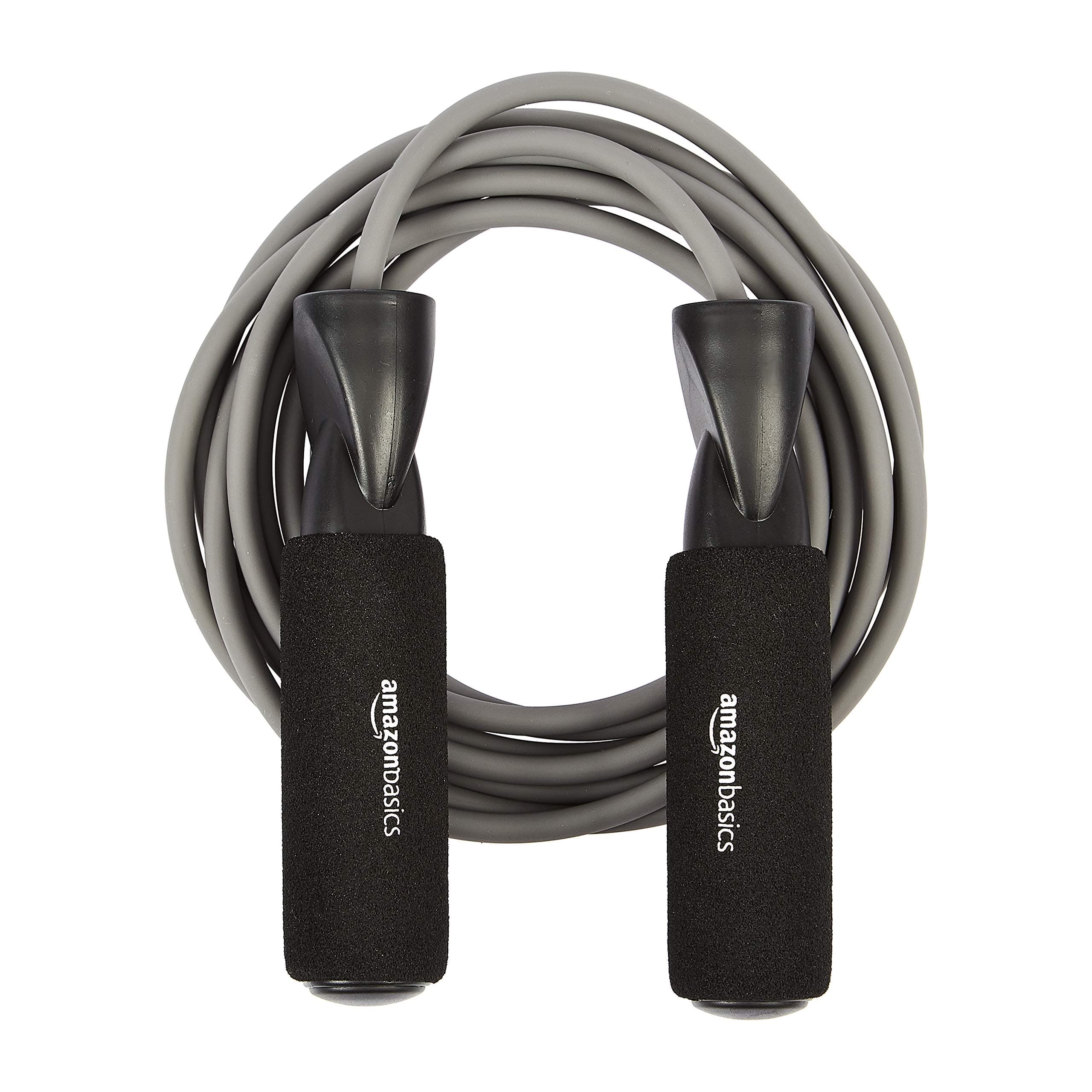
Amazon Basics Jump Rope Grey
- Standard jump rope for quickly integrating high-intensity cardio training into any workout
- Increases the heart rate, burns calories, enhances coordination, and tones legs, glutes, shoulders, arms, and core
- Length can be easily adjusted to accommodate different users
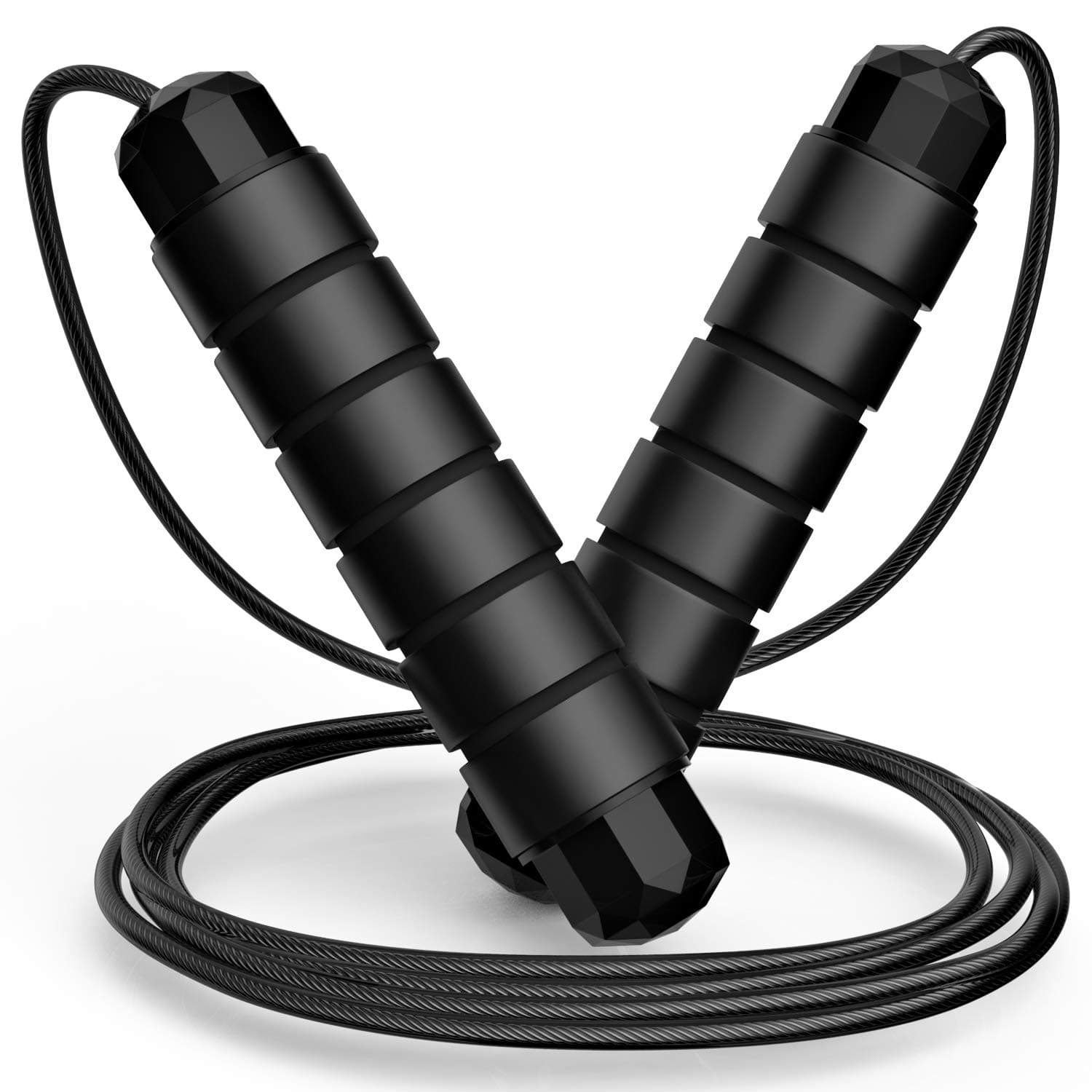
Jump Rope, Tangle-Free Rapid Speed Jumping Rope Cable with Ball Bearings for Women, Men, and Kids, Adjustable Steel Jump Rope with Foam Handles for Home Gym Exercise Fitness Workout Equipment & Slim Body Black
- Durable & Adjustable Rope / / This jump rope is made of steel wires that are coated with strong PVC material, making it durable even after a long time exercising. Its adjustable length design enables you to customize the length according to your needs, making it suitable for everyone, no matter for kids or adults.
- Jump Fast, Jump Easily / / Built-in with high-quality ball bearings, the skipping rope provides you with comfortable jump exercises. It supports fast jumps while protecting you from any potential tangles, satisfying your needs for safety and convenience at the same time.
- Ergonomic Foam Handles / / The ergonomic handles are well designed for your safety and convenience: they are covered with soft sponges, which makes the handles comfortable to hold. And the non-slip & moisture-wicking features also keep your palms dry, making your every exercise comfortable and safe!
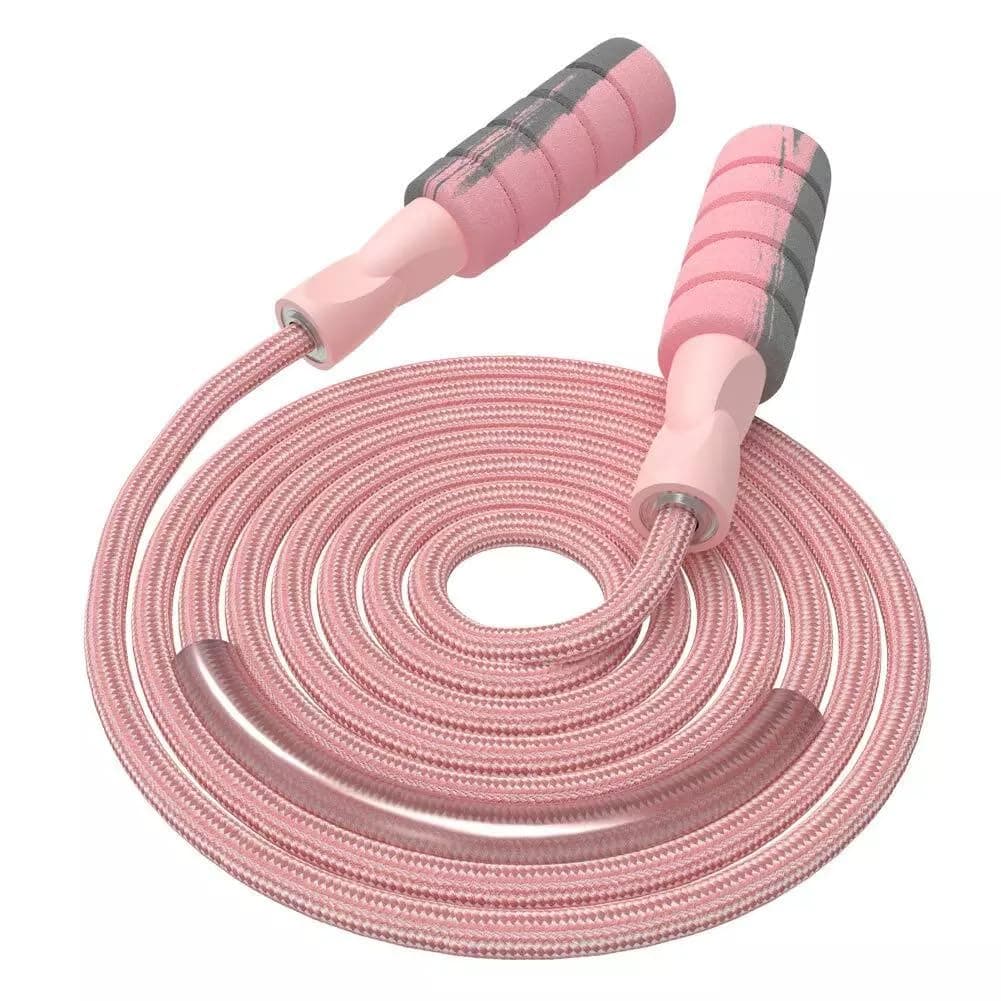
FITMYFAVO Jump Rope Cotton Adjustable Skipping Weighted jumprope for Women,Adult and Children Athletic Fitness Exercise Jumping Rope (Pink)
- 100% Nylon
- Durable/High-quality Materials:The jump rope is made of cotton, the bottom has a protective cover to keep the rope from being damaged as it hits the ground,can be used indoors and outdoors.
- Foam Handle: Comfortable handle makes it easy to grasp and carry, which makes your hands feel comfortable and non-slip during skipping,instantly motivates your excersize goals