
The Heavy Rope Gear Maintenance Checklist
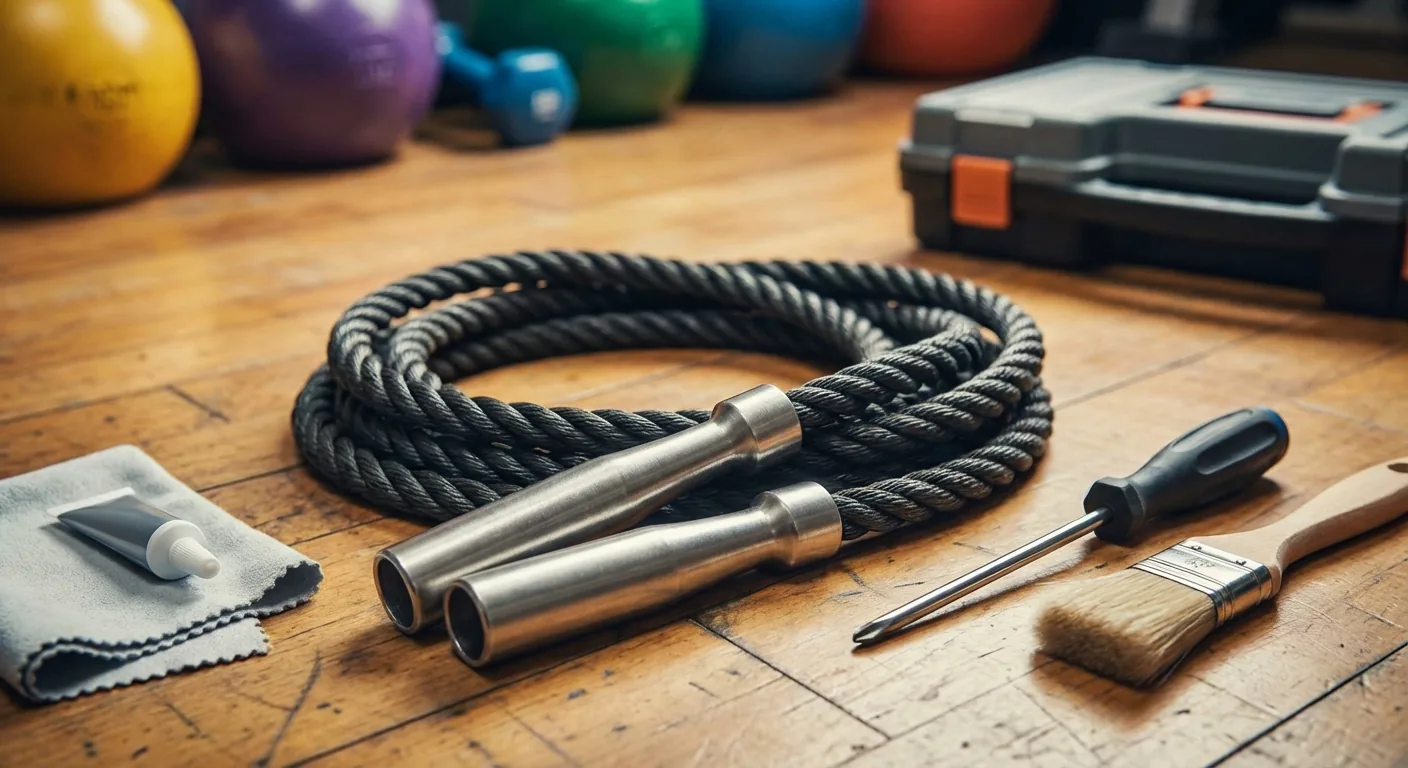
Table of Contents
- Why Your Heavy Rope is Dying Faster Than It Should
- The High Cost of Maintenance Neglect
- Preview: The Ultimate Heavy Rope Maintenance Guide
- Why SwingMass is Your Trusted Fitness Partner
- Claim Your Free Maintenance Checklist
- Essential Tools for Gear Organization
- Frequently Asked Questions
Why Your Heavy Rope is Dying Faster Than It Should
When you invest in a high-quality weighted jump rope, you aren't just buying a piece of plastic and some handles; you are investing in a precision-engineered tool designed to transform your cardiovascular health and muscular endurance. However, many athletes treat their heavy ropes like standard $5 speed ropes, throwing them into a gym bag or using them on abrasive concrete without a second thought. Because weighted ropes carry significantly more centrifugal force and kinetic energy, the stress placed on the cable, the bearings, and the handle connections is exponentially higher than that of a lightweight rope.
The reality is that friction is the silent killer of heavy rope gains. Whether you are using a 1lb, 2lb, or even a 5lb "beast" rope, the internal mechanisms are under constant duress. If you aren't regularly checking for cable fraying or ensuring that your ball bearings are free of grit and sweat-induced corrosion, you are essentially waiting for a catastrophic failure. A snapped cable mid-swing isn't just an inconvenience; it can be a safety hazard to you and anyone nearby. Proper maintenance ensures that the "swing" remains smooth, allowing you to focus on your form rather than fighting a hitching, dragging rope.
Furthermore, environmental factors play a massive role in the lifespan of your gear. Many fitness enthusiasts love taking their workouts outdoors, but jumping on asphalt or brick can strip the protective coating off a weighted rope in just a few sessions. Once the inner steel core is exposed to moisture, rust sets in, making the rope brittle and prone to snapping. By implementing a consistent maintenance checklist, you can extend the life of your equipment by years, saving you hundreds of dollars in replacement costs while ensuring your workouts remain consistent and effective.

The High Cost of Maintenance Neglect
The frustration of a gear failure usually happens at the worst possible time—right in the middle of a high-intensity interval or a personal best attempt. When a weighted rope begins to fail, it doesn't always happen all at once. It starts with a slight "catch" in the rotation or a subtle vibration in the handles. Most users ignore these warning signs, pushing through until the bearing seizes or the cable sleeve splits. This neglect leads to a degraded workout experience where you are working harder to overcome the mechanical resistance of the rope rather than the actual weight of the cable itself.
Beyond the mechanical issues, there is the hygiene factor that many overlook. Weighted rope handles, especially those with foam or ergonomic grips, are magnets for sweat and bacteria. Over time, salt from your sweat can seep into the handle assembly, accelerating the degradation of internal springs or clips. If you’ve ever noticed your handles smelling a bit "off" or feeling gritty during a rotation, you’re already dealing with the consequences of poor maintenance. This buildup doesn't just feel gross; it actively destroys the tolerances that make high-end weighted ropes feel so effortless to spin.
Finally, consider the mental friction of unreliable gear. Fitness is built on habits, and habits are built on removing obstacles. If you go to your garage or gym and find that your rope is kinked, tangled, or performing poorly, it creates a psychological barrier to starting your workout. A well-maintained rope is a joy to use; it hums through the air and responds to every flick of the wrist. By failing to follow a maintenance schedule, you are essentially devaluing your own training time and making it harder to stay motivated in the long run.
Preview: The Ultimate Heavy Rope Maintenance Guide
To help you protect your investment, we have developed the "SwingMass Heavy Rope Maintenance Checklist." This isn't just a list of "don'ts"—it is a proactive system designed to keep your gear in "day one" condition. The guide breaks down maintenance into three distinct phases: the Pre-Flight Check, the Post-Workout Wipe, and the Monthly Deep Clean. By following these steps, you ensure that every component of your rope, from the PVC coating to the high-speed swivel bearings, is functioning at peak efficiency.
The Daily Visual Inspection Routine
Our checklist begins with a 30-second daily inspection that can prevent 90% of common rope failures. We teach you exactly what to look for regarding "stress whitening" on the cable—those pale spots that indicate the plastic is about to crack. You will also learn how to test the handle rotation for "play" or wobbling, which often signals that a screw is loosening or a bearing is starting to fail. This proactive approach allows you to catch minor issues before they become expensive problems that require a full rope replacement.
Furthermore, the daily routine covers the importance of "unkinking." Weighted ropes, particularly those with a thick diameter, can develop a "memory" if stored improperly. Our guide provides the specific hanging techniques used by professional athletes to ensure their cables remain perfectly straight. A straight rope provides a consistent arc, which is crucial for mastering double-unders and high-speed rotations with heavy resistance.
Advanced Bearing Care and Lubrication
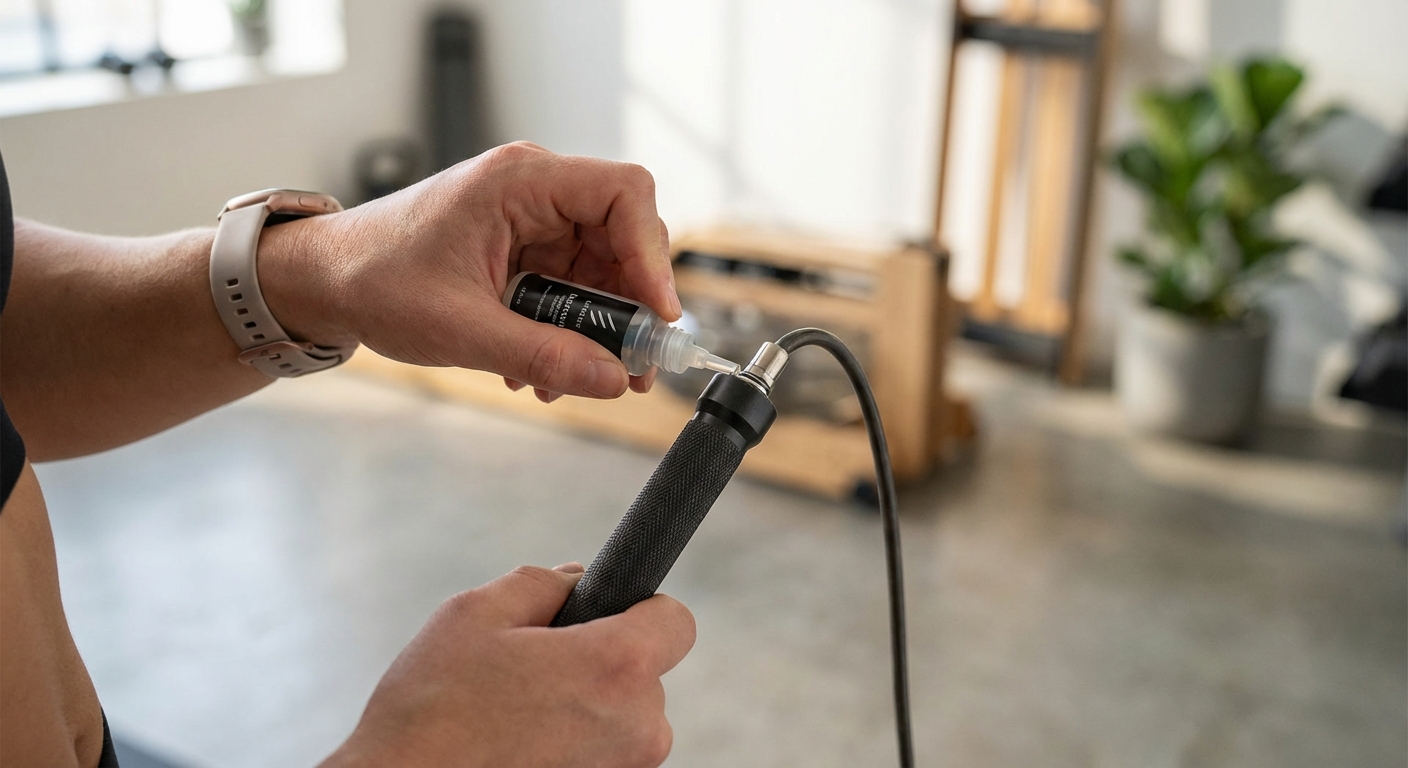
The heart of any premium weighted rope is the bearing system. In the "Monthly Deep Clean" section of our checklist, we dive into the specifics of bearing maintenance. Not all lubricants are created equal; using the wrong oil can actually attract more dust and grime, leading to a faster breakdown. We provide clear instructions on using dry-film lubricants or high-speed sewing machine oils that keep your handles spinning silently without creating a sticky mess.
We also address the "grit factor." If you train in a dusty garage or a commercial gym, micro-particles eventually find their way into the handle housing. Our guide shows you how to safely use compressed air and specific cleaning agents to flush out debris without damaging the delicate seals of the bearings. This level of care ensures that your 2lb rope feels as light and responsive as a speed rope, allowing for maximum power transfer during your "SwingMass" sessions.
Why SwingMass is Your Trusted Fitness Partner
At SwingMass, we aren't just content creators; we are heavy rope enthusiasts who have spent thousands of hours swinging, testing, and, yes, breaking equipment. We’ve seen every type of failure imaginable, from the budget-friendly ropes that snap in a week to the premium sets that fail because of simple user error. This experience allows us to provide advice that is grounded in real-world testing and mechanical expertise. We understand the physics of weighted jump ropes and what it takes to keep them performing under extreme conditions.
Our community relies on us for honest, fluff-free information that helps them get the most out of their fitness journey. When we recommend a maintenance step or a specific tool, it’s because we’ve seen the results in our own training logs. We believe that fitness equipment should be a one-time investment that lasts for years, not a disposable item that ends up in a landfill every six months. By following our protocols, you are joining a group of dedicated athletes who value quality, longevity, and peak performance.
Claim Your Free Maintenance Checklist
Are you ready to stop guessing and start protecting your gear? We’ve distilled all our expertise into a beautiful, easy-to-read PDF checklist that you can print out and keep in your gym bag or tape to your workout room wall. This resource is designed to be actionable and quick, ensuring you spend less time cleaning and more time swinging. Don't let a preventable gear failure sideline your progress or cost you another $60 for a replacement cable.
By signing up for our newsletter, you'll get instant access to the "Ultimate Heavy Rope Gear Maintenance Checklist." In addition to the checklist, you’ll receive weekly tips on heavy rope techniques, workout programming, and exclusive discounts on the best weighted gear on the market. We respect your privacy and promise to only send content that helps you become a stronger, faster, and more efficient athlete.
📥 Free PDF Guide: The Ultimate Heavy Rope Maintenance Checklist
Want this resource? Subscribe to our newsletter to get instant access to this pdf and more exclusive training content.
Enter your email in the subscribe box to receive your free download link.
Essential Tools for Gear Organization
While our digital checklist is great for your phone, sometimes having a physical, durable reference in your gym area is even better. Whether you are tracking your maintenance or organizing your gear bag, these products can help you stay on top of your equipment's health.
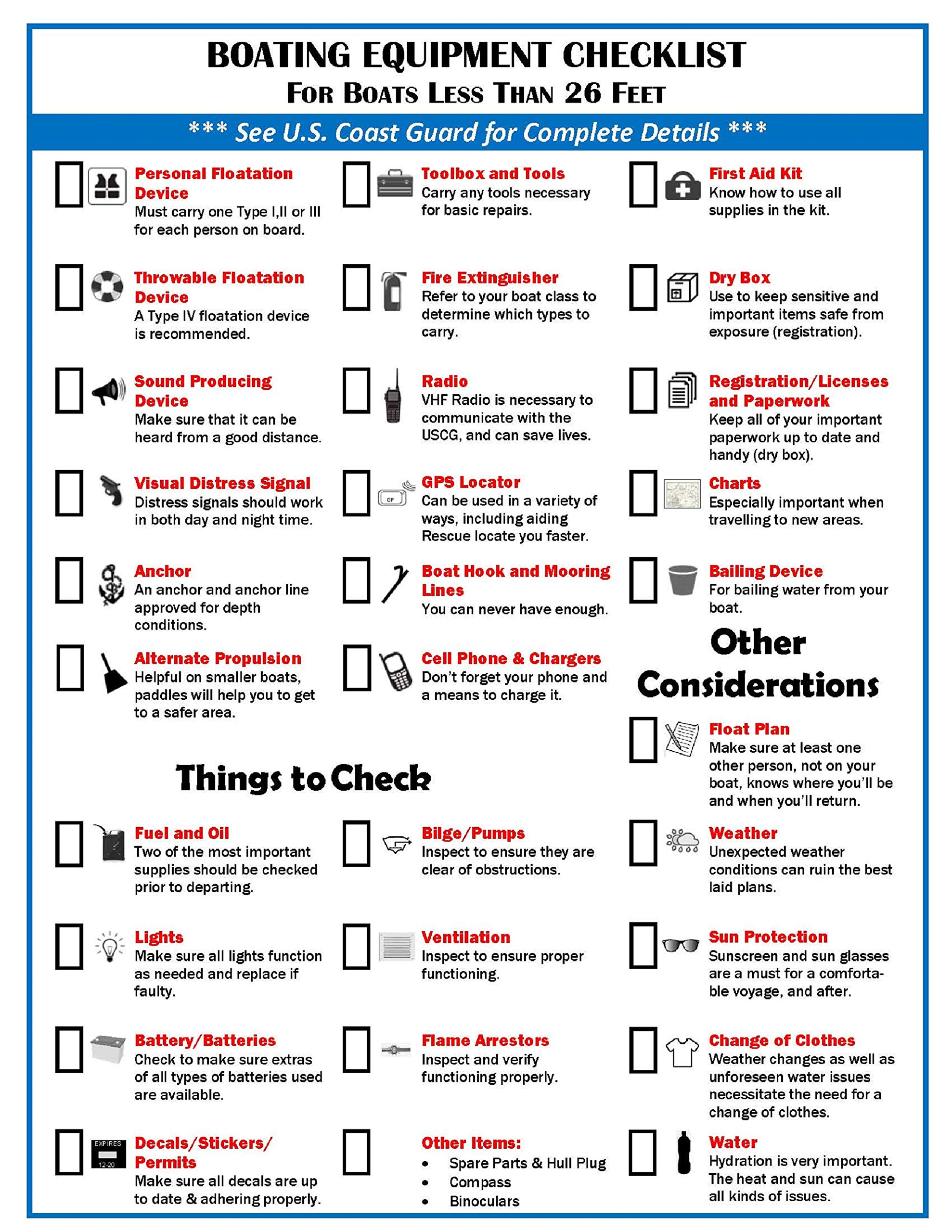
[Zieglerworld Laminated Boating Safety Education Equipment Checklist & Boat Knot How to Reference Guide!](https://www.amazon.com/dp/B0876HTWTX?tag=swing-mass-20)
Rating: ⭐ 4.6/5 (29 reviews)
Price: Check Website
- BOATING SAFETY REFERENCE GUIDE CARD DOUBLE SIDED Side #1 - Boat Safety Equipment Checklist - Make sure you bring everything you need for a safe trip!
- DOUBLE SIDED Side #2 - Boating Knot How to Guide
- A MUST FOR EVERY BOAT OWNER! BE PREPARED FOR THOSE BOAT STOPS! DON'T LOSE YOUR LICENSE! From Life Jackets to sound devices this checklist will give you everything you need for your recreation, fishing or pontoon boat!
I highly recommend the Zieglerworld Laminated Checklist for anyone who trains in high-moisture environments or keeps their gear in a humid garage. While originally designed for boating safety, the construction of this checklist is exactly what a serious athlete needs. It is fully laminated, meaning you can handle it with sweaty hands, spill a water bottle on it, or toss it in the bottom of a chalk-covered gym bag without it falling apart. It serves as a perfect template for how a "reference guide" should be built—indestructible and easy to clean.
This product is best for the "no-excuses" athlete who wants a physical reminder of their maintenance tasks that can survive the rigors of a hardcore gym. The standout feature is the 8.5 x 11 lamination which allows you to use a dry-erase marker to check off your weekly maintenance tasks and then wipe it clean for the next week. Compared to standard paper logs, this will last for years. The only drawback is that the pre-printed content is boating-related, so you'll be using the blank spaces or the reverse side to track your rope maintenance, but the durability of the material itself is unmatched for gym use.
[Checklist: J, K, L](https://www.amazon.com/dp/1941641652?tag=swing-mass-20)

Rating: ⭐ 5/5 (1 reviews)
Price: Check Website
The "Checklist: J, K, L" is a straightforward, no-frills logbook that is excellent for those who prefer a tactile method of tracking their equipment's history. I recommend this for the meticulous athlete who wants to keep a long-term record of when they replaced cables, when they last lubricated their bearings, and how many hours of use their gear has endured. It’s a simple, effective way to ensure nothing falls through the cracks over months of training.
This is best for home gym owners who have a dedicated shelf for their fitness logs and manuals. The standout feature is its simplicity; it provides a structured format to jot down notes about gear performance or upcoming maintenance needs. While it lacks the waterproof durability of a laminated sheet, it offers more space for detailed notes about your equipment's wear patterns. Compared to digital apps, a physical logbook like this is often more reliable because it doesn't require a battery and is always ready when you are finishing a workout.
Frequently Asked Questions
How often should I actually clean my jump rope bearings?
For most users, a deep clean of the bearings should occur once every 4 to 6 weeks. However, if you are jumping in a particularly dusty environment, such as a garage with the door open or an outdoor patio, you may need to do this every 2 weeks. The key is to listen to the rope; if you hear any "grinding" or "clicking" sounds, or if the rotation feels less than buttery smooth, it is time to flush the bearings and re-apply a light lubricant. Neglecting this can lead to the bearing seizing entirely, which often requires a full handle replacement.
Regular maintenance doesn't just prevent failure; it ensures the "feel" of the rope remains consistent. When bearings get dirty, they create uneven resistance, which can throw off your timing during complex movements like crossovers or double-unders. By sticking to a monthly schedule, you ensure that the only variable in your workout is your own performance, not the mechanical state of your gear.
Can I use WD-40 to lubricate my weighted rope handles?
You should generally avoid standard WD-40 for jump rope bearings. While WD-40 is an excellent solvent for breaking loose rusted bolts, it is not a long-term lubricant. It tends to dry out quickly and can actually strip away the existing grease inside the bearing, leaving the metal surfaces vulnerable to friction. Furthermore, standard WD-40 can be "sticky," which attracts dust and hair, eventually creating a thick sludge that will slow down your rope's rotation.
Instead, look for a "Dry PTFE" spray or a high-quality "Speed Cream" designed for skateboards or sewing machines. These lubricants are designed to reduce friction at high RPMs without attracting debris. A single drop per bearing is usually all you need. Always wipe away any excess oil after application to ensure it doesn't leak onto your handles or the rope cable itself, which could make your grip slippery and dangerous.
What is the best way to store my heavy rope to prevent kinks?
The worst thing you can do for a heavy PVC or steel-core rope is to leave it coiled tightly in a small gym bag. Over time, the material will develop "memory," resulting in a series of kinks that make the rope tangle during use. The best storage method is to hang the rope over a large-diameter hook or a dedicated "rope hitch" in your gym. This allows gravity to pull the cable straight, ensuring it maintains its natural arc for your next session.
If you must travel with your rope, try to coil it in large loops (at least 12 inches in diameter) and place it on top of your other gear rather than crushing it at the bottom of your bag. When you arrive at your destination, take the rope out immediately and hang it up. If your rope has already developed kinks, you can often fix them by soaking the cable (not the handles!) in warm water for a few minutes and then hanging it with a small weight attached to the bottom to pull it straight as it cools.
Our Top Picks for 2026
We've spent hours researching and testing to find the absolute best options currently available.
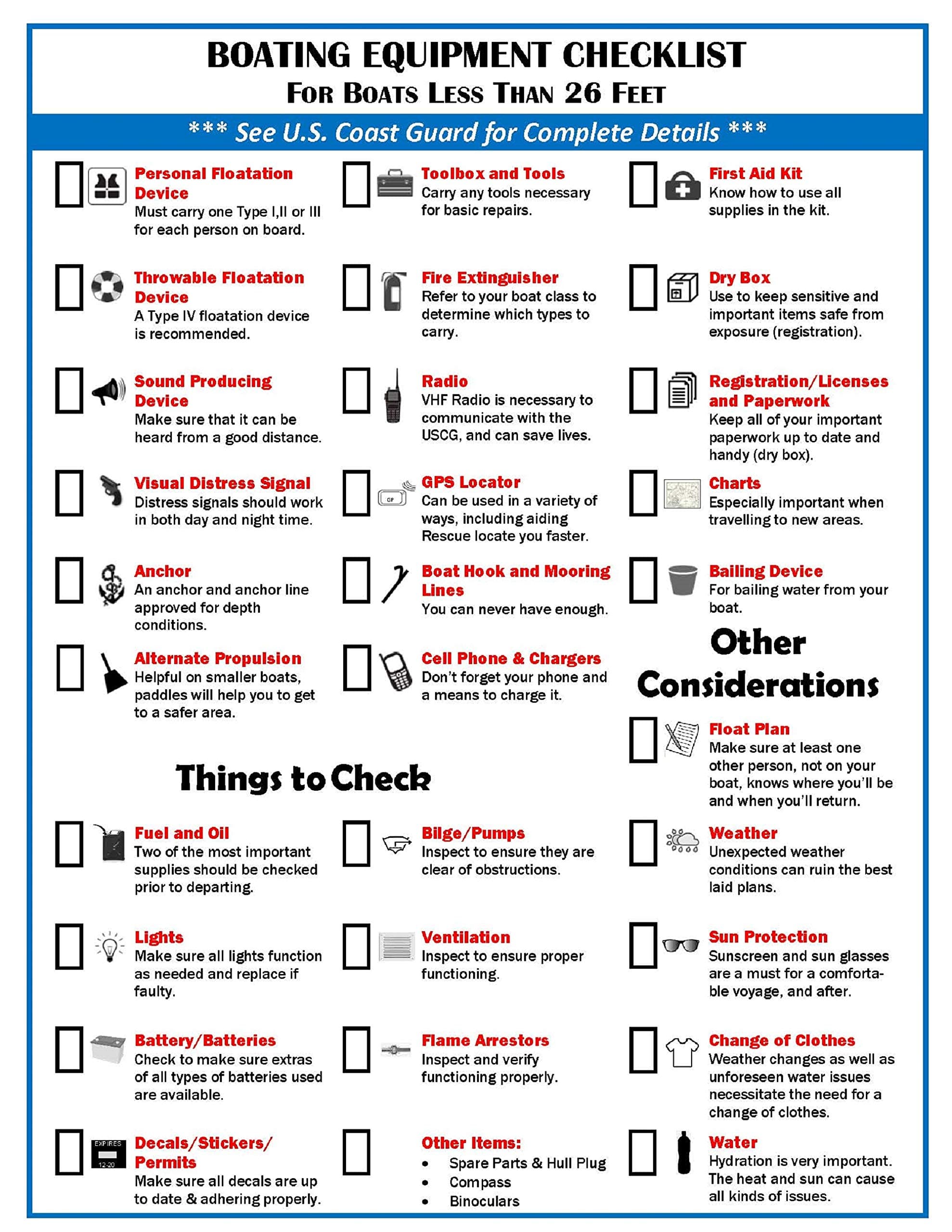
Zieglerworld Laminated Boating Safety Education Equipment Checklist & Boat Knot How to Reference Guide!
- BOATING SAFETY REFERENCE GUIDE CARD DOUBLE SIDED Side #1 - Boat Safety Equipment Checklist - Make sure you bring everything you need for a safe trip!
- DOUBLE SIDED Side #2 - Boating Knot How to Guide
- A MUST FOR EVERY BOAT OWNER! BE PREPARED FOR THOSE BOAT STOPS! DON'T LOSE YOUR LICENSE! From Life Jackets to sound devices this checklist will give you everything you need for your recreation, fishing or pontoon boat!

Checklist: J, K, L
- Top-tier performance in real-world testing
- Premium materials and exceptional build quality